Spain & Portugal

Trans Iberia - Barcelona to Porto

Guided Road Bike Tour

Grade

1
2
3
4
5

Duration

22 days

Prices from

$8,490 P.P.
$400 OFF
BOOK NOW
Trans Iberia isn’t just about cycling, it’s a journey through the heart and soul of Spain and Portugal. On this three week ride we’ll experience the vast diversity of the Iberian Peninsula, beginning in the Mediterranean warmth of Barcelona, winding through the rugged mountains of Catalonia, dipping into the historical heart of Spain, and finally ending at the riverside beauty of Porto, Portugal. This is a ride that celebrates the best of both Spain and Portugal, from dramatic mountain passes, lush valleys and ancient towns to peaceful countryside, winding rivers and expansive vineyards.
Each day of the ride offers an opportunity to experience something new, from quiet forested climbs to sweeping river descents, from remote hilltop monasteries to sunlit riverside cafés. Passing through remote villages and exploring medieval towns, we’ll taste local specialties that define each region. The accommodations along the way are as varied as the terrain; from charming mountain inns to historic hotels, you’ll always have a comfortable place to rest your legs and soak in the beauty of the surroundings.
The inviting and charming medieval villages of Morella, Albarracín and Chinchón that we pass through on our journey provide a glimpse into the rich history and traditions of the area. We have time in the great historical town of Cuenca and a full rest day in Toledo provides the opportunity to slow down and discover one of Spain's most interesting and intriguing cities where Christians, Muslims and Jews lived side by side for centuries and left their mark on this most enchanting city.
The well-timed rest day prepares us for some of the toughest and most spectacular riding of the trip as we cross the Sierra de Gredos, home to the highest and most scenic mountain roads on our route. After entering Castile y León, the journey continues through the little-known region of Las Hurdes, a beautiful landscape of rustic villages, winding rivers, and dense forest. From here, we make our way to the ancient city of Ciudad Rodrigo, our final stage post in Spain.
Crossing into Portugal, the journey shifts to the breathtaking Douro Valley, home of the famous Port wine. The Douro River winds through this beautiful region, with steep terraces covered in vineyards. The roads meander along the banks of the river, making for a perfect end to this epic journey. By the time you reach Porto, you’ll have experienced the Iberian Peninsula in a way few have - through the rhythm of the roads, the flavours of the land, and the rich history that threads through each and every town. The Trans Iberia is a cycling journey that will leave you with unforgettable memories and a deep connection to the rich tapestry of the Iberian Peninsula.
Finally, after 3 weeks of cycling through the heart of Spain and Portugal’s picturesque vineyards, you’ll unwind with a glass of port in hand, as the full scope of the journey settles in.

Highlights

  • Starting the journey in the cultural capital of Barcelona
  • Crossing the stunning mountain roads of the Sierra de Gredos
  • Delighting in the varied regional specialities of the Iberian Peninsula
  • Discovering the fortified city of Toledo
  • Cycling through the ancient narrow streets of Morella, Albarracín and Chinchón
  • Toasting the end of the ride with a glass of Port on the banks of the Douro

Back to Top

Itinerary

Day 1 Arrival: Barcelona

The great city of Barcelona marks the beginning of our Trans Iberia journey. If you are arriving by plane you will be met at BCN airport and transferred to our first night’s hotel where we will rendezvous as a group. The guide team will be on hand to help prepare bikes, before we head out for our first meal together. This evening we’ll have a chance to meet each other over some traditional Catalan cuisine and wine and hear from the team as they introduce the 3 week journey ahead of us.

As the gateway to your Trans Iberia ride, Barcelona is more than just a starting point and for those arriving early, it’s a fabulous city to spend a day or two wandering the alleys and historic squares of the old town and enjoy local dishes like Pa Amb Tomàquet (bread with tomato), fresh seafood, and a glass of Vermut de la Casa in a neighbourhood bar. Just off La Rambla you’ll find the Mercat de Sant Josep (La Boqueria), a vibrant market and a feast for the senses! Ideal for picking up fresh fruit, artisanal snacks, or simply absorbing the atmosphere of a city that loves to eat well.

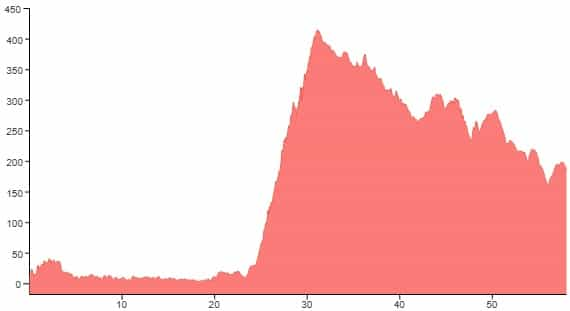
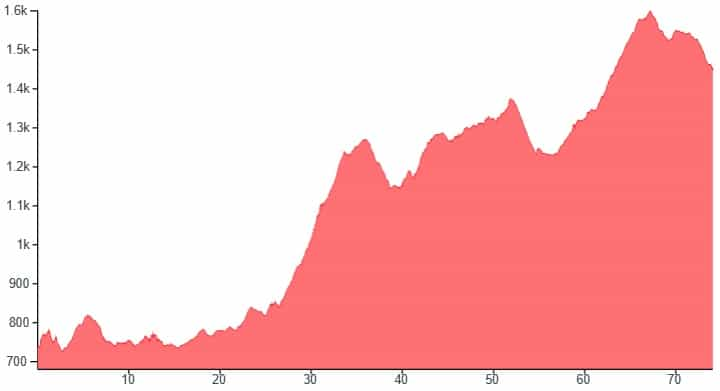
Day 2 Barcelona to Sant Sadurní d'Anoia

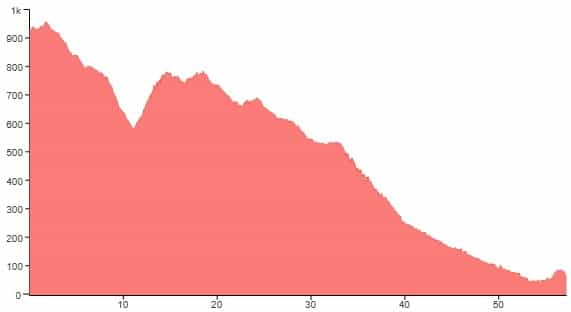
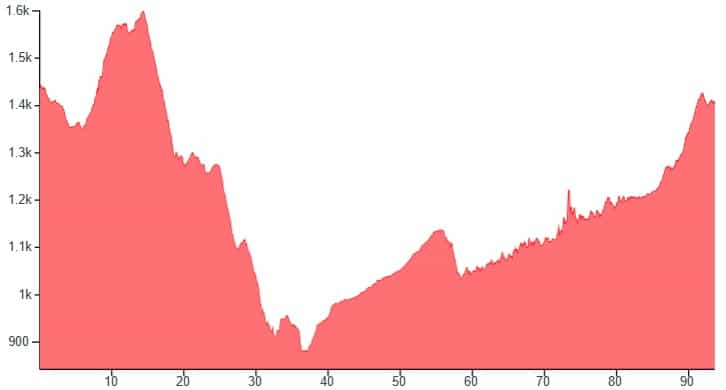
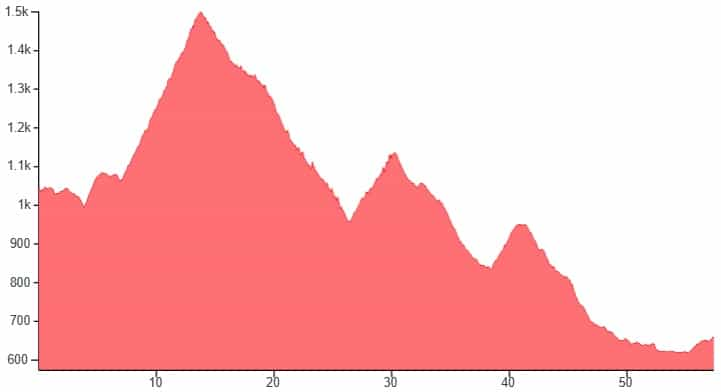
36 Miles / 58 Kms Approx.
Ascent: 850 Metres Approx.
  • Meals: Breakfast, lunch
  • Ascent: 850 Metres Approx.

Today’s ride takes us from the bustle of Barcelona towards the quiet backroads, and wide-open skies of southern Catalonia and to our destination at the heart of Cava country: Sant Sadurní d‘Anoia.

We begin the day slipping out of the city along a network of cycle paths and riverside routes skirting the Llobregat. The early kilometres pass through the urban fringe, with stretches through towns like Cornellà and Sant Boi, but traffic is manageable and the riding easy-going.

Soon enough, the terrain softens into rolling countryside, and we leave the last of the city traffic behind. The ride follows a mix of country lanes and smooth secondary roads, rising gradually through a landscape of olive groves, almond trees, and the first signs of vineyards that dominate the region. Local cyclists are a common sight here, as this is a favourite training-ground for many.

The only real climbing of the day comes in short bursts, with most of the elevation gain behind us by the time we roll into Sant Sadurní d’Anoia, at the heart of the Penedès, a region famed for its Cava. Surrounded by gently rolling vineyards stretching to the horizon, this lively town provides a fitting and relaxed end to the day’s ride.

Tonight’s hotel is set in the surrounding countryside, offering a peaceful rural setting among vineyards and open farmland – a quiet and comfortable place to relax, refuel and toast the first leg of our journey.

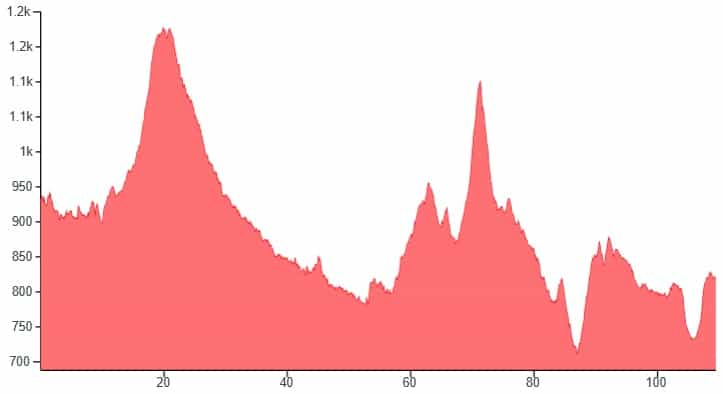
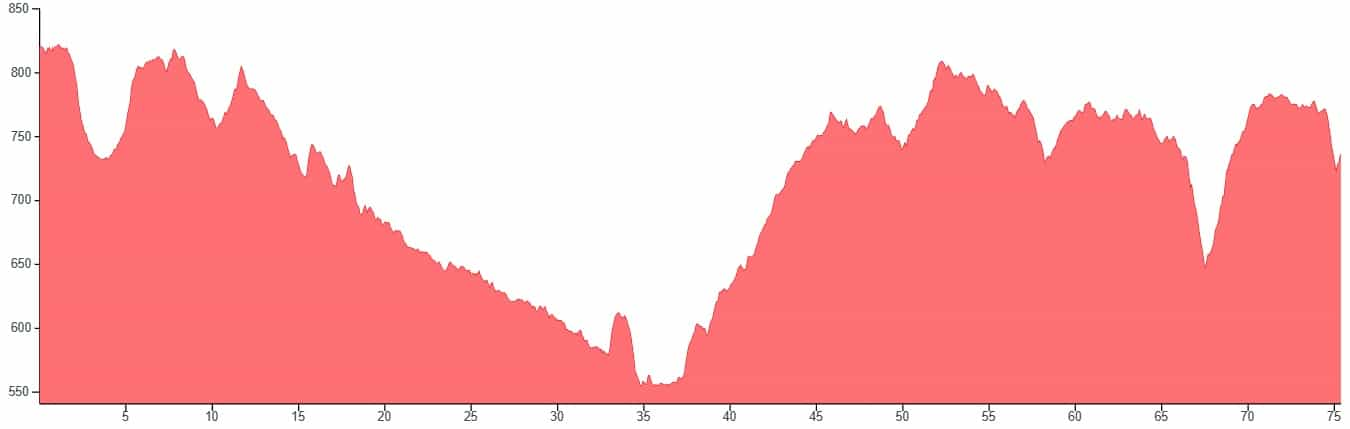
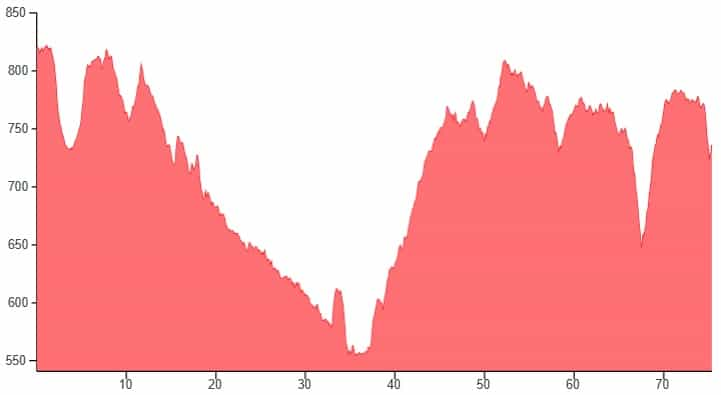
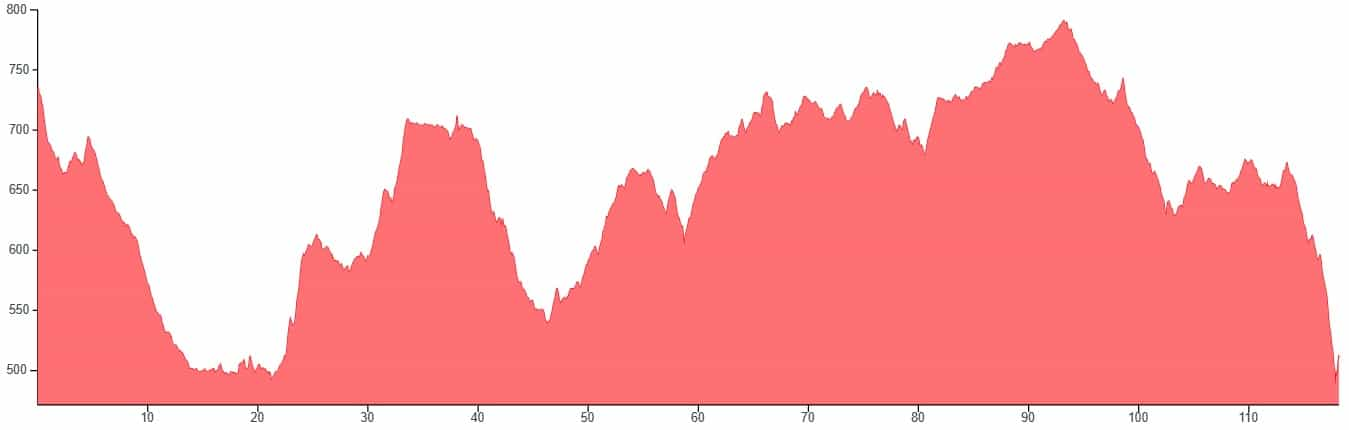
Show Profile

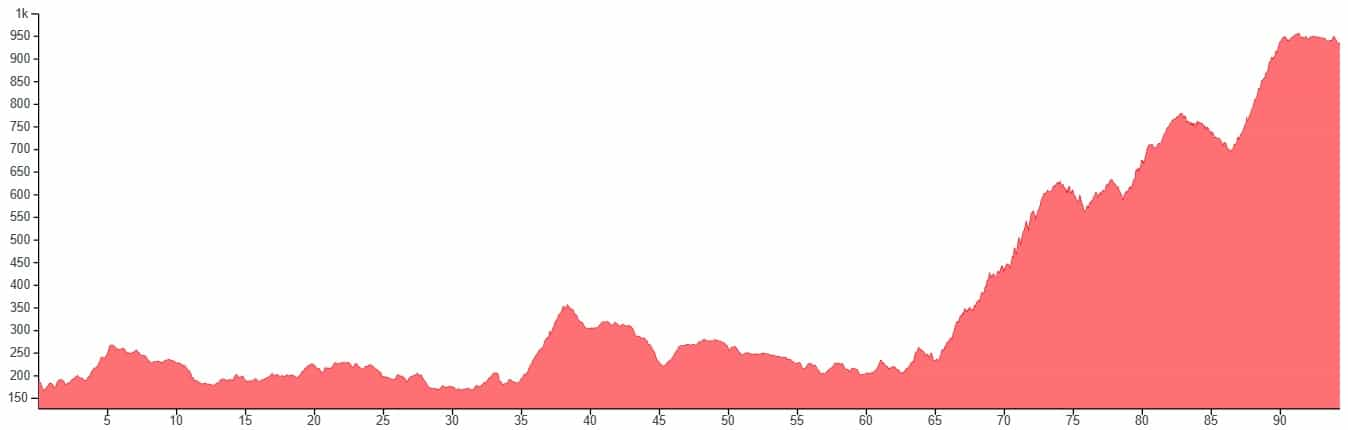
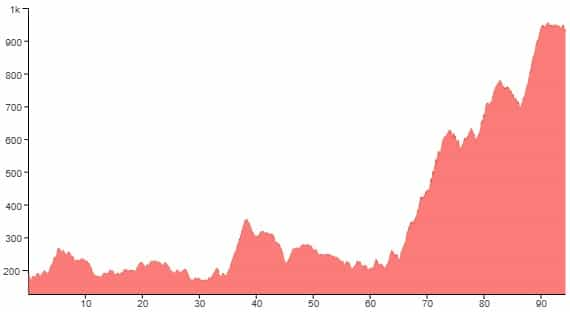
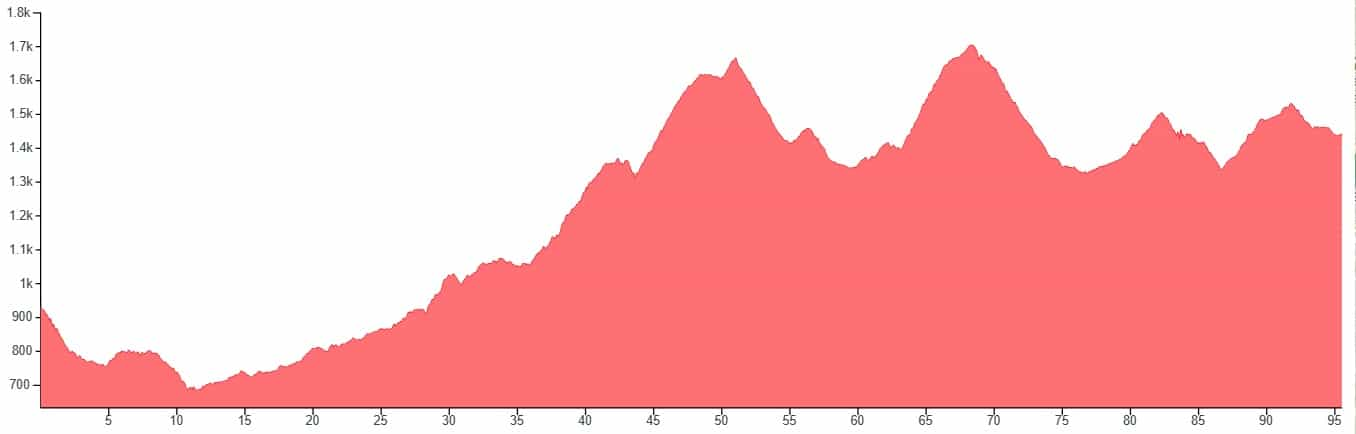
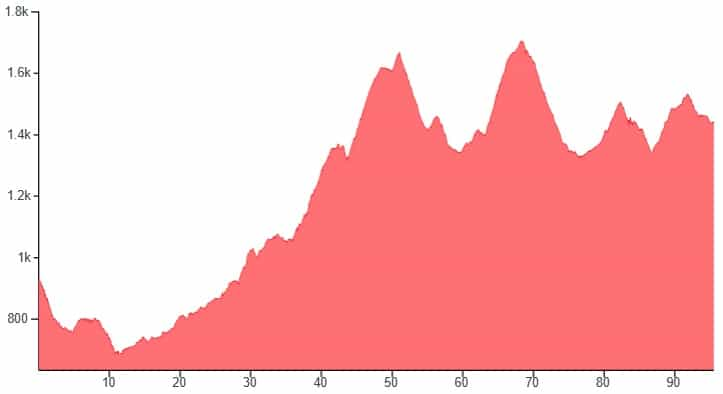
Day 3 Sant Sadurní d'Anoia to Prades

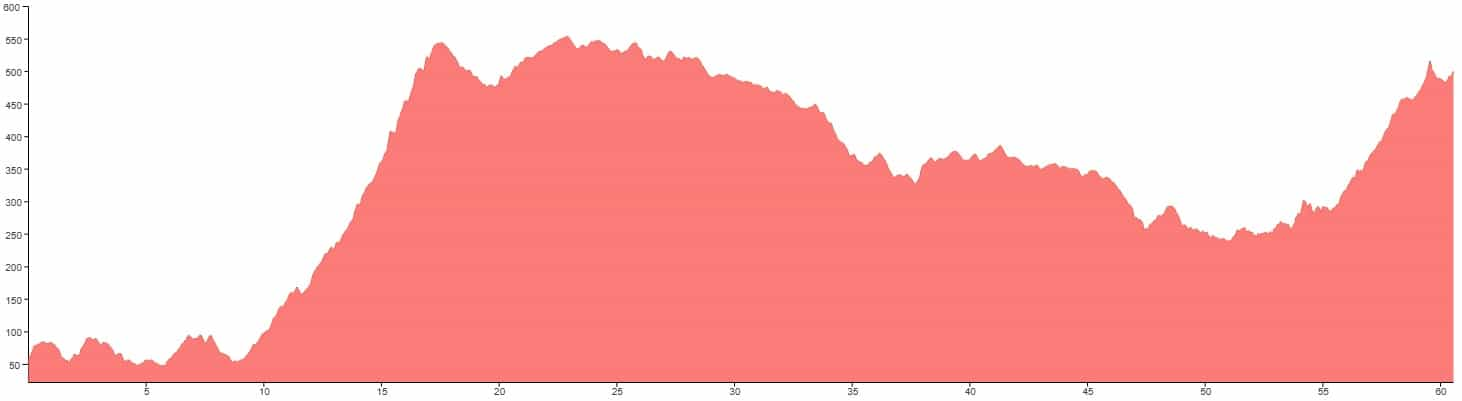
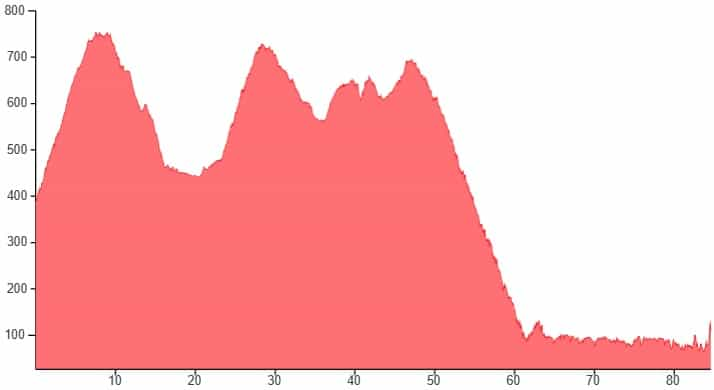
58 Miles / 94 Kms Approx.
Ascent: 1,885 Metres Approx
  • Meals: Breakfast, lunch
  • Ascent: 1,885 Metres Approx

The day begins in the heart of the Penedès wine region. Here, in the homeland of Cava, quiet roads weave between seemingly endless ribbons of vineyard as we roll gently across the plains, passing through market towns such as Vilafranca del Penedès.

Gradually, the landscape begins to rise as we leave the lowlands behind and head inland towards the Alt Camp. The terrain becomes more undulating, with a series of steady climbs and rolling roads linking quiet villages and open countryside. After reaching Valls, the route turns decisively towards the mountains.

From here, the scenery transforms as we enter the foothills of the Prades Mountains. The road follows the course of the river through La Riba and Farena, climbing steadily through a beautiful valley framed by limestone cliffs, oak woodland and pine forest. Traffic fades away and the riding becomes wonderfully immersive as the road narrows and begins to gain height.

The final climb brings us into Capafonts, a small mountain village tucked into the folds of the Serra de Prades, before a gentle final rise delivers us to our overnight stop in Prades. Set high above the surrounding countryside, Prades welcomes us with cool mountain air, stone houses and expansive views – a fitting end to a day that carries us from vineyard-covered plains to true mountain terrain.

Show Profile

Day 4 Prades to Flix

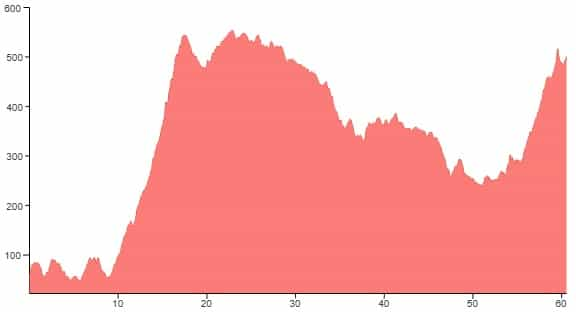
35 Miles / 57 Kms Approx.
Ascent: 510 Metres Approx.
  • Meals: Breakfast, lunch
  • Ascent: 510 Metres Approx.

Our day begins high in the wooded folds of the Serra de Prades. Leaving Prades behind, we descend gently at first, with the road curling beneath a canopy of pine and holm oak.

As we roll lower, the terrain begins to open. Terraced hillsides and isolated farms begin to dot the landscape and we’ll pass through sleepy villages like Alcover and Vilaverd. By mid-morning, we reach Montblanc, a fortified medieval town steeped in legend – locals will tell you this is where Saint George famously slew the dragon. It’s a fitting place to stop for coffee and perhaps a slice of Coca de Recapte, the Catalan flatbread topped with roasted vegetables and anchovy.

Continuing eastward, the route begins a long, gentle descent into the basin of the River Ebro. The landscape softens again – broad fields of cereal crops, fruit trees, and the occasional vineyard mark the change in character.

In the afternoon, we cross the Ebro itself for the first time, a river that has shaped this region for millennia. We follow its course towards Flix, where the river bends in a wide, almost perfect horseshoe, creating a natural island. It’s an extraordinary setting, historically significant too; during the Spanish Civil War, this area was at the heart of the Battle of the Ebro, the longest and bloodiest of the conflict.

Flix itself is modest but welcoming. Surrounded by nature reserves and wetlands, it boasts a rich pocket of biodiversity, home to herons, egrets, and even otters.

Show Profile

Day 5 Flix to Horta de Sant Joan

37 Miles / 60 Kms Approx.
Ascent: 1,290 Metres Approx
  • Meals: Breakfast, lunch
  • Ascent: 1,290 Metres Approx

We set off from Flix in the soft morning light. Crossing the calm waters of the Ebro River on the old iron bridge, the road then gently lifts us away from the riverside and up into the surrounding hills.

Soon, we reach Ascó, perched on a rocky terrace above the river. It’s a fitting moment for a brief pause to sip a coffee or refill bottles before the day’s climb ahead.

Leaving Ascó, the landscape shifts as we follow minor roads through open farmland and scattered woodlands. The hills roll gently but steadily upward, the scent of thyme and rosemary carried on the breeze. Our path winds toward Bot, a quiet village that marks the gateway to the rugged Ports de Tortosa-Beseit mountains.

From Bot, the terrain takes on a wilder character. Narrow roads thread through pine and oak forests, their needles cushioning the roadside. The air feels cooler here, fresher. As we continue, glimpses of jagged limestone cliffs rising sharply against the sky open up before us – harbingers of the dramatic mountain scenery that awaits.

The stage finishes in Horta de Sant Joan, a historic town closely linked to Pablo Picasso and set beneath the striking silhouettes of the Ports mountains. With its stone buildings, lively squares and mountain backdrop, Horta de Sant Joan provides a memorable and atmospheric end to the day’s ride.

Show Profile

Day 6 Horta de Sant Joan to Morella

42 Miles / 67 Kms Approx.
Ascent: 1,410 Metres Approx.
  • Meals: Breakfast, lunch
  • Ascent: 1,410 Metres Approx.

We set off from Horta de Sant Joan, leaving the town along quiet lanes that soon lead us towards Arnes and then wind upward through the fragrant, pine forests of the Ports de Tortosa-Beseit. The air here is cool and fresh, with distant views of limestone cliffs glowing softly in the morning light.

Our route dips briefly into the fertile valley of Fuentespalda, a peaceful village surrounded by fields dotted with olive and almond trees and from here the road climbs steadily, weaving through narrow gorges and rugged hillsides cloaked in evergreen. The landscape becomes more dramatic, with the cliffs rising higher and the forests thickening, their cool shadows a welcome respite from the sun.

We reach Herbes, a small hamlet tucked into the folds of the hills, where time seems to have slowed almost to a standstill. It’s a perfect spot for a brief rest before the afternoon’s steady ascent towards Morella, one of Spain’s most enchanting medieval towns. The climb is rewarding – each bend reveals new vistas of craggy peaks, terraced fields, and distant valleys shimmering in the afternoon light.

At last, Morella emerges, a fortress town perched dramatically atop a limestone hill, encircled by formidable walls and crowned with its imposing castle. The town’s lively plazas and bustling cafés offer a warm welcome to weary riders, where we can indulge in some local delicacies – perhaps the famous Flaons pastry or hearty mountain stews paired with robust wines from the nearby Terra Alta vineyards.

Show Profile

Day 7 Morella to Monteagudo del Castillo

59 Miles / 96 Kms Approx.
Ascent: 2,180 Metres Approx.
  • Meals: Breakfast, lunch
  • Ascent: 2,180 Metres Approx.

Departing from the fortified heights of Morella, we begin the day tracing a path through rugged mountain scenery. The crisp morning air carries the scent of pine and earth, as we gently descend through narrow lanes bordered by dry stone walls and wild lavender.

Our route leads us through the ancient villages of La Mata de Morella and Forcall with their quiet streets and centuries-old stone buildings, providing a glimpse into a slower pace of life. Here, vineyards and almond groves stretch across the hillsides, a patchwork of green and gold beneath the bright blue sky. Leaving Forcall behind, the route follows a high ridge road, carving a path through pine forests and open moorland before we descend to Cantavieja, another beautiful fortified town where we’ll take a well-earned break.

A gentle descent this afternoon carries us out of town, before the road begins to rise toward Puerto de Villarroya. The climb is steady rather than steep and at the summit we pause to take in the vast open plateau before us.

Our descent delivers us into the village of Villarroya de los Pinares, a small but beautifully preserved town with Mudejar and Gothic architecture, before we climb again to cross the high plains of the Sierra de Gúdar.

Eventually, the village of Montagudo del Castillo comes into view, its sturdy church tower rising above the surrounding fields. Tonight, we’ll rest in the heart of the Maestrazgo. The meals are rustic and full of flavour – think stewed meats, grilled vegetables, and local cheeses.

Show Profile

Day 8 Monteagudo del Castillo to Moscardon

58 Miles / 94 Kms Approx.
Ascent: 1,440 Metres Approx.
  • Meals: Breakfast, lunch
  • Ascent: 1,440 Metres Approx.

Today we prepare to set out across some of the wildest and most beautiful terrain in Aragón, rolling out along narrow lanes that drift across the Sierra de Gúdar. The landscape here is vast and sparsely populated – ochre fields, stony ridges, and groves of gnarled black pines that have stood here for centuries. The gradients are kind at first, letting the legs spin easily as we pass through open moorland and grazing pastures.

The route begins to undulate, climbing gently toward the small villages that dot the high plateau and in places the road narrows to a single lane, this is rural Spain at its most untouched – raw, authentic, and quietly majestic.

As we continue, the scenery begins to change. The forests grow denser, and the road twists into canyons and folds. We descend toward the valley of the Guadalaviar River, the ancient waterway that shaped the next remarkable place on our journey. The final kilometres to Albarracín are among the most memorable. The town appears suddenly, carved into the red sandstone cliffs, its medieval walls snaking up the hillside like a crown. It’s one of the most beautiful towns in all of Spain, a UNESCO protected wonder of crooked streets, hanging houses, and terracotta roofs.

Leaving Albarracín behind, the road climbs once more into quieter, higher terrain as we make our way to our overnight stop in Moscardon, a small village of medieval origins set high on the plateau. Simple, remote and atmospheric, it offers a peaceful end to a day spent crossing Aragon’s high plains, where silence, big skies and the sense of isolation are every bit as memorable as the landscapes themselves.

Show Profile

Day 9 Moscardon to Cuenca

62 Miles / 100 Kms Approx.
Ascent: 1,390 Metres Approx.
  • Meals: Breakfast, lunch
  • Ascent: 1,390 Metres Approx.

We prepare for our longest day of the trip so far, but with some forgiving long sections of gentle descent later this afternoon, we’ll pace ourselves as we roll out of Moscardon this morning. A gentle incline provides the perfect morning warm up as we travel across the plains towards the villages of Calomarde and Frías de Albarracín.

Mid-morning, we’ll start to ascend more steeply as we climb into the Montes Universales. Here, we may pause at the monument marking the source of the great River Tagus. We’ll catch our first glimpses of the upper reaches of the Tagus, as we ride parallel for a few kilometres before we turn west, leaving Aragón and descending into Castilla-La Mancha. As the road levels out, we’ll meet the Rio Júcar, another of Spain’s great rivers and our companion for the next 60 or so kilometres, leading us past the impressive Toba Reservoir all the way to Cuenca.

The well-preserved medieval fortified city of Cuenca sits in a grand position atop a sandstone cliff. Tonight we enjoy some well-deserved rest, refuelling in one of the many local restaurants and toasting the journey so far.

Show Profile

Day 10 Cuenca to Tarancon

68 Miles / 110 Kms Approx.
Ascent: 1,445 Metres Approx.
  • Meals: Breakfast, lunch
  • Ascent: 1,445 Metres Approx.

Our day begins beneath the sheer stone cliffs of Cuenca and the route soon unfolds in long, quiet stretches of perfect tarmac, flanked by wild thyme, olive groves, and the occasional crumbling stone farmhouse.

After a steady hour of rolling terrain, we reach Valdecolmenas, a quiet hamlet which marks a slight drop in elevation as the road flows into a wide valley leading us toward Huete, one of the region’s most historic towns. Crowned with an old castle and Renaissance buildings, Huete has long stood as a cultural and strategic outpost in this region. We’ll stop here mid-morning for coffee under the shade of a plaza tree.

The ride now takes on a more rural character as we continue southwest, weaving between sunflower fields and quiet pine woods. As the afternoon unfolds, the final leg of our ride opens onto vast plains. The road is kind here; a long, gentle descent carries us towards Tarancón, whose red rooftops and church towers begin to appear on the edge of the horizon.

Rolling into town by late afternoon, Tarancón, once a frontier town between Christian and Muslim kingdoms, now welcomes us with warm hospitality and the promise of a well-earned rest. The day’s effort fades into memory over local wine and hearty Gachas Manchegas. As we settle in for the evening, it’s clear we‘re deep in the heart of the peninsula now, with each day bringing us closer to the western shores.

Show Profile

Day 11 Tarancon to Chinchón

47 Miles / 75 Kms Approx.
Ascent: 850 Metres Approx
  • Meals: Breakfast, lunch
  • Ascent: 850 Metres Approx

The road begins gently today, offering a steady tempo through fields of sun-drenched grain and scattered olive groves. By mid-morning, the terrain shifts and a descent begins to wind us down into the wide corridor of the Tagus Valley, where the land suddenly opens into a great sweep of cultivated greenery. The river, the biggest in Spain and now much larger than when we met at its source reveals itself near Villamanrique de Tajo where a modest bridge offers a fine vantage point to take in the broad sweep of Spain’s great river.

Beyond the Tagus, the road lifts again, gently at first, then more steadily as we rise out of the valley basin. This is wilder country now – more scrub, more rock, and long, exposed ridgelines that offer commanding views back toward the plains we’ve left behind. We stop for a short break in Valdaracete, a traditional village and from here the landscape becomes more sculpted – dry ridges, ancient terraces, and the soft roll of vineyards as we begin to close in on Chinchón.

The arrival is unforgettable. Chinchón appears not with fanfare but as a perfect reveal: a medieval hill town crowned by its famous plaza mayor, a sunken square ringed by green-painted balconies, cobbled streets, and old inns that have seen centuries of travellers. Tonight we stay in the heart of Chinchón, dining beneath the arcades, perhaps on roast lamb or Tostas de Ajo, before raising a glass of its celebrated aniseed liqueur.

Show Profile

Day 12 Chinchón to Toledo

73 Miles / 118 Kms Approx.
Ascent: 1,085 Metres Approx.
  • Meals: Breakfast, lunch
  • Ascent: 1,085 Metres Approx.

Leaving the historic hilltop town of Chinchón behind, today’s ride takes us west across the heart of Castilla-La Mancha. Vineyards and gently rolling countryside gradually give way to wide agricultural plains, where quiet roads and open horizons encourage a steady rhythm as we make our way towards Toledo.

After reaching Aranjuez, once the preferred spring residence of Spanish royalty, we continue through fertile farmland and extensive olive groves that dominate the landscape of this region. The roads remain peaceful, allowing us to fully appreciate the vast scale and tranquillity of central Spain.

As the kilometres pass, the first foothills of the Montes de Toledo begin to emerge on the horizon and the scenery becomes ever more dramatic. The route winds through the Manchegan countryside before reaching the famous Cigarrales district, a hillside area long associated with elegant country houses and renowned for offering some of the finest views of the city. From here, Toledo reveals itself in spectacular fashion above the Río Tajo, its skyline crowned by the Alcázar, the Cathedral and centuries of fortified walls.

The final kilometres are undoubtedly among the most memorable of the entire day with magnificent panoramic views before we arrive at our hotel, perfectly positioned to appreciate one of Spain’s most iconic cityscapes.

Toledo is a fitting reward at the end of the stage. Tonight, we may enjoy local specialities such as Venado Estofado (stewed venison) or Carcamusas, accompanied by a glass of regional wine, while watching the sun set over the city and the winding gorge of the Río Tajo.

Show Profile

Day 13 Rest day: Toledo

Non-Riding Day
  • Meals: Breakfast

No wheels turn today and the morning begins gently. No alarms. No lycra. Just the clink of breakfast cups on café tables and the scent of fresh Pan con Tomate drifting through shaded courtyards.

Known as the “City of Three Cultures”, Toledo is a labyrinth, a place where Christian cathedrals, synagogues, and mosques share the same skyline. Some may choose to explore the narrow, cobbled streets, twisting and climbing on foot – tracing El Greco’s brushstrokes in the church of Santo Tomé, stepping beneath the soaring vaults of the Cathedral, or perhaps to visit the Monastery of San Juan de los Reyes, with its elegant cloisters and war-torn chains still hanging on the façade.

Others may prefer to rest in the quieter corners – a shaded cloister, a leafy terrace, or even back at the hotel, legs up, book in hand, body unwinding and catching up. Tomorrow, the road will call again, but dinner this evening is slow and celebratory, a well-earned day of rest.

Day 14 Toledo to El Tiemblo

67 Miles / 107 Kms Approx.
Ascent: 1,290 Metres Approx.
  • Meals: Breakfast, lunch
  • Ascent: 1,290 Metres Approx.

We leave Toledo, our tyres echoing softly through the narrow streets, as we roll out of the city and descend to cross the Tagus one final time, crossing the Puente de San Martín with the river flowing quietly beneath.

What follows is a steady exit from the Castilian plateau, as the plains morph into the soft folds of hill country. As we head north, the roads narrow as we pass through sleepy hamlets and olive groves. The riding is gentle at first, undulating and quiet, as we approach the Embalse de Cazalegas, a tranquil reservoir. The Sierra de Gredos looms faintly ahead – a jagged, grey silhouette that grows with every turn of the pedals. As we cross into the province of Ávila, the road begins to wind more assertively.

The village of El Real de San Vicente signals the edge of the highlands – a good place to pause, fill bottles, and catch our breath before the final climb of the day. From here, the route twists and rises through thick woodland and granite outcrops, revealing long, sweeping views back across the plains we’ve left behind.

The descent into El Tiemblo is pure reward – smooth tarmac, clean switchbacks, and the cool scent of pine. The town itself appears tucked into the foothills, its terracotta rooftops and narrow lanes nestled beneath the dense chestnut forests of the Reserva Natural del Valle de Iruelas.

Arriving in El Tiemblo, the Castilian plateau is behind us now, the air is cooler and the mountains are now all around. This evening, we settle in beneath the shadows of the Sierra, sitting down to a hearty mountain meal – Judiones, roast lamb, or perhaps fresh river trout. Tomorrow, we climb higher.

Show Profile

Day 15 El Tiemblo to Hoyo del Espino

46 Miles / 74 Kms Approx.
Ascent: 1,570 Metres Approx.
  • Meals: Breakfast, lunch
  • Ascent: 1,570 Metres Approx.

South of Ávila, the plains of Castilla give way to the precipitous Sierra de Gredos – a rugged world of granite peaks, ancient forests, and high mountain villages nestled beneath the soaring Pico Almanzor.

Today’s route follows a quiet, ascending path through this dramatic landscape. Leaving El Tiemblo, we roll gently through chestnut groves before beginning a steady climb toward Burgohondo, a small town perched at the foothills, where stone houses and shaded plazas welcome the morning rider.

Beyond Burgohondo, the road narrows and the gradient increases. We pass through San Martín de Pimpollar, a traditional mountain village that marks our introduction to the higher elevations of the range. From here, the climb becomes more sustained, weaving upward into the alpine zone. The air cools further and the landscape opens onto rugged granite slopes dotted with hardy shrubs and gnarled oaks.

Our destination is Hoyo del Espino, a charming village is surrounded by soaring peaks and alpine meadows, with trails leading into some of the most spectacular natural scenery in the Iberian Peninsula.

The day’s climb is challenging but rewarding, offering ever-changing views that deepen the sense of immersion in this wild mountain world.

Show Profile

Day 16 Hoyo del Espino to La Alberca

68 Miles / 110 Kms Approx.
Ascent: 1,640 Metres Approx.
  • Meals: Breakfast, lunch
  • Ascent: 1,640 Metres Approx.

Today’s route descends gently from the alpine heights, tracing the rugged contours of the Sierra de Gredos as we head west toward the fertile valleys beyond. Leaving the village, the road winds down through chestnut and oak forests to reach El Barco de Ávila, a historic market town situated neatly between the highlands and the plains.

After a well-earned pause, the route continues southwest toward Béjar, a town with a rich industrial past and an old quarter rich in character. The climb here is gentle but persistent, with rewarding views over the valley and the distant plains.

Our day ends on winding roads through the gentle hills and dense oak forests of the Sierra de Francia, a region renowned for its unspoiled nature and deep-rooted traditions. The scent of chestnuts and wild herbs fills the air as we pedal steadily towards La Alberca, one of Spain’s most enchanting mountain villages.

Show Profile

Day 17 La Alberca to Cuidad Rodrigo

35 Miles / 57 Kms Approx.
Ascent: 950 Metres Approx.
  • Meals: Breakfast, lunch
  • Ascent: 950 Metres Approx.

Leaving the centuries-old village of La Alberca, the route turns westward, descending through oak and chestnut woodlands toward the fertile plains that stretch ahead. The terrain undulates gently, inviting relaxed but focused riding.

Approaching Ciudad Rodrigo, the landscape opens wide, and the imposing medieval walls of this border town come into view. Ciudad Rodrigo’s fortified ramparts and historic streets offer a dramatic contrast to the wild beauty of the Sierra behind us, marking the threshold to Castilla y León’s western frontier. Tonight, we rest within these ancient walls.

Show Profile

Day 18 Cuidad Rodrigo to Longroiva

64 Miles / 103 Kms Approx.
Ascent: 1,410 Metres Approx.
  • Meals: Breakfast, lunch
  • Ascent: 1,410 Metres Approx.

Today’s stage is a significant one – we leave behind Spain and enter Portugal, crossing ancient frontier lands once fiercely contested, now peaceful, remote, and beautiful.

Departing the medieval walls of Ciudad Rodrigo, we ride west into open country. The Castilian plateau gradually gives way to rolling hills, stone walls, and vast expanses of scrub and pastureland. The traffic is almost non-existent; this is a forgotten corner of Europe, where the road belongs to us.

After passing through La Bouza, one of the last Spanish villages we begin climbing gently through the Reserva Natural da Serra da Malcata.

The crossing into Portugal is unmarked and understated, a simple shift in rhythm as we begin a short but steep descent into the Côa River valley. The respite is short-lived as a short, challenging climb leads us back out of the valley towards Figueira de Castelo Rodrigo. With its ruined castle, winding lanes and views stretching across the Beira Interior, it offers the perfect place to pause for lunch, a rest, or simply to take it all in.

From Figueira, the road undulates gently through the upper Côa valley, with open landscapes and growing warmth as we head deeper into Portugal. We arrive in Longroiva, a small village known for its historic thermal baths and tranquil rural setting, marking our first overnight stop in Portugal.

Tonight, we sleep in Portugal. A new language, but the same road – stretching ever onward across the peninsula.

Show Profile

Day 19 Longroiva to Peso da Régua

53 Miles / 85 Kms Approx.
Ascent: 1,300 Metres Approx.
  • Meals: Breakfast, lunch
  • Ascent: 1,300 Metres Approx.

Leaving Longroiva, we climb gently at first through the open landscapes of the Beira Interior before the terrain finally begins to fall away into one of the most iconic and spectacular landscapes of the Iberian Peninsula; the Douro Valley, where steep riverbanks are carved into terraces of stone and vine, and the road clings dramatically to the contours of the hillside.

We pass through Ervedosa do Douro, a hilltop wine village surrounded by a sea of vineyards. This region is the birthplace of Port wine, and signs of it are everywhere; stone quintas, narrow terraces, and the scent of fermenting grapes in the air. The riding here is sublime; winding descents, short punchy climbs, and constant, breathtaking views of the river valley below.

From Ervedosa, the route follows one of the most scenic roads in Portugal, dropping toward Folgosa, a tiny riverside hamlet nestled between vineyard-covered cliffs and the river’s edge. It’s a natural place to pause for coffee, lunch, or just to admire the view as boats drift lazily down the Douro.

The final stretch to our home for the night Peso da Régua, is a gently rolling riverside ride, tracking the northern bank of the Douro along smooth, quiet roads.

Tonight we stay in Peso da Régua, the capital of the Port wine trade and tonight, we will no doubt toast with a glass of it in hand.

Show Profile

Day 20 Peso da Régua to Espadanedo

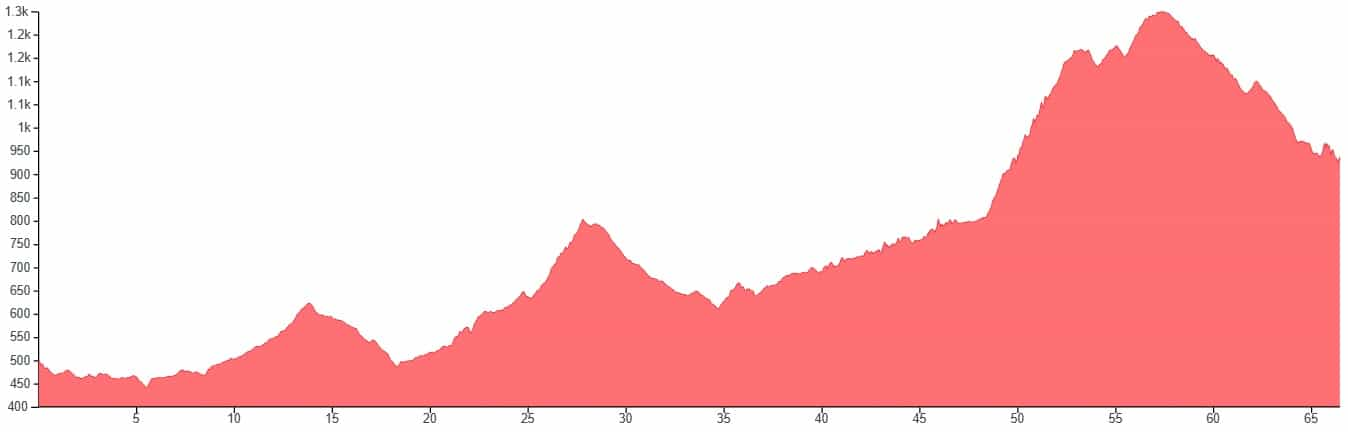
41 Miles / 66 Kms Approx.
Ascent: 1,570 Metres Approx.
  • Meals: Breakfast, lunch
  • Ascent: 1,570 Metres Approx.

Leaving the wine capital of Peso da Régua, we follow the Douro westward once more – but today’s ride trades sweeping vistas for narrower roads, lush hillsides, and a sense of stepping off the well-worn path.

The day begins with a gentle roll out of Régua and along the southern bank of the Douro until Barqueiros, a sleepy riverside village and from here the road climbs steadily away from the river, gaining altitude and revealing a patchwork of vineyards, forest, and tucked-away hamlets. The Douro is never far, glimpsed through occasional breaks in the trees, while the terrain grows wilder and more wooded as we press on toward Resende.

Perched on a hillside, Resende offers a welcome break. Known for its cherry orchards and hot springs, it feels far removed from the bustling wine towns downstream. From here, the route undulates along quiet country lanes, with sharp little climbs and sweeping bends as we trace the contours of the upper Douro valley.

We end the day in Espadanedo, a small, hilltop village tucked deep in Portugal’s green interior.

Show Profile

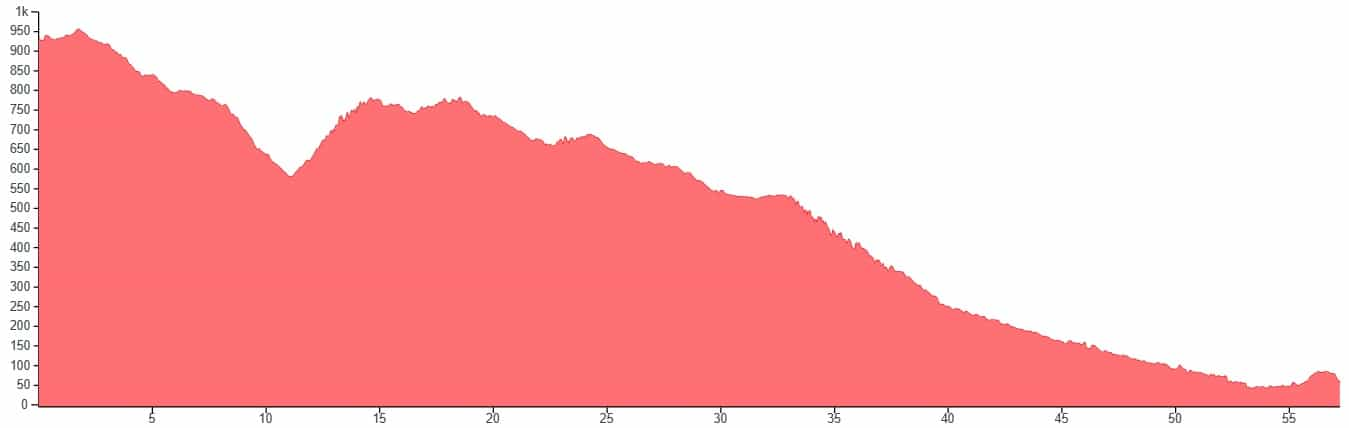
Day 21 Espadenedo to Porto

37 Miles / 60 Kms Approx.
Ascent: 825 Metres Approx
  • Meals: Breakfast, lunch
  • Ascent: 825 Metres Approx

The final day begins high in the hills of Espadanedo. This is the last leg of our journey and today, the road leads to Porto!

We begin with a flowing descent through forested lanes, the granite ridgelines giving way to open farmland and small, stone-built villages. By mid-morning, we pass through Rio Mau, where the countryside begins to feel more densely settled, the towns more frequent, and the sense of momentum begins to build.

Soon, the river returns. The Douro, wide and slow-moving now, reappears like an old friend. We follow it westward on winding riverside roads, with the hills gradually flattening and the skyline ahead beginning to rise.

As we enter Porto, the energy shifts completely. Cobbled streets, tiled facades, and the distant iron span of the Dom Luís I Bridge announce our arrival. The final approach winds past port wine cellars, tram tracks, and bustling cafés, before dropping down to the riverside at Ribeira, the historic heart of the city.

Here, beside the Douro’s final stretch before it meets the sea, we roll to a stop.

It’s a moment to savour; three weeks, hundreds of kilometres, mountains crossed, borders passed, cultures absorbed — from Catalonian vineyards to the Atlantic edge of Portugal. Legs tired, spirits full, we raise a glass of aged port by the water’s edge, watching the sun settle over the rooftops of Porto.

The journey is complete.

Show Profile

Day 22 Departure: Porto 

  • Meals: Breakfast

Following the celebrations of yesterday, it’s time to pack up the bikes, say our goodbyes and take a transfer to the airport for our onward journeys.

For those wanting to extend your stay in Porto, few cities offer a better blend of relaxation, culture, and food to wind down. Whether you‘re looking to recover, explore, or indulge, Porto delivers in spades. Our team are here to help with booking extra nights and arrangements for onward travel.

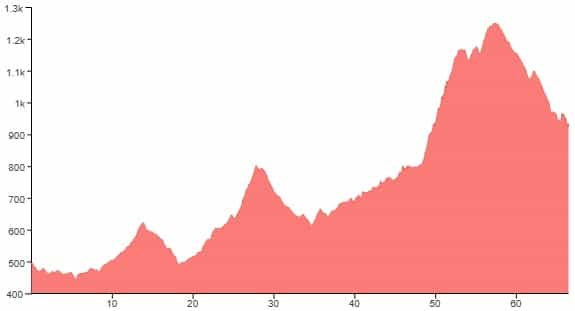
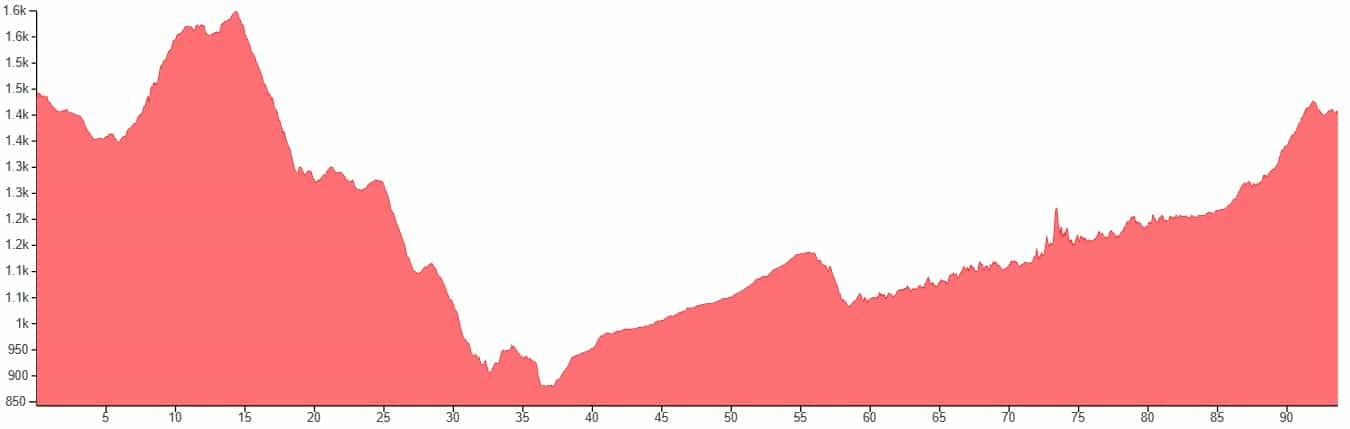
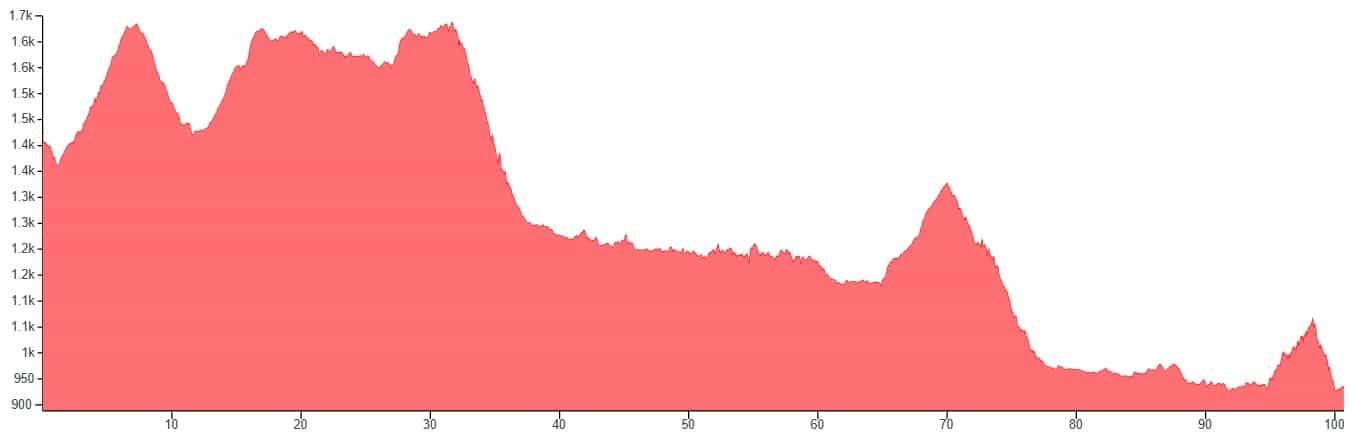
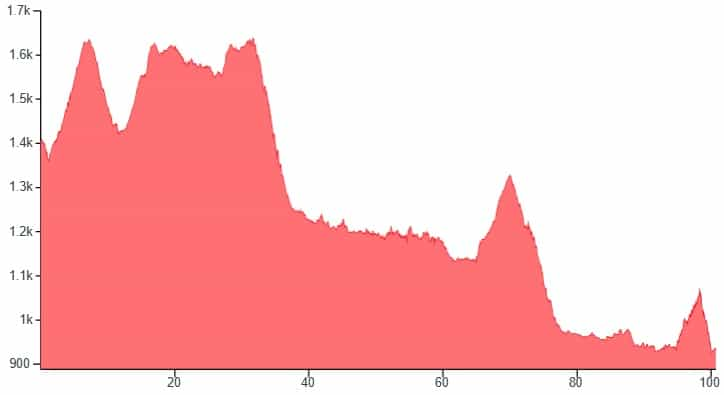
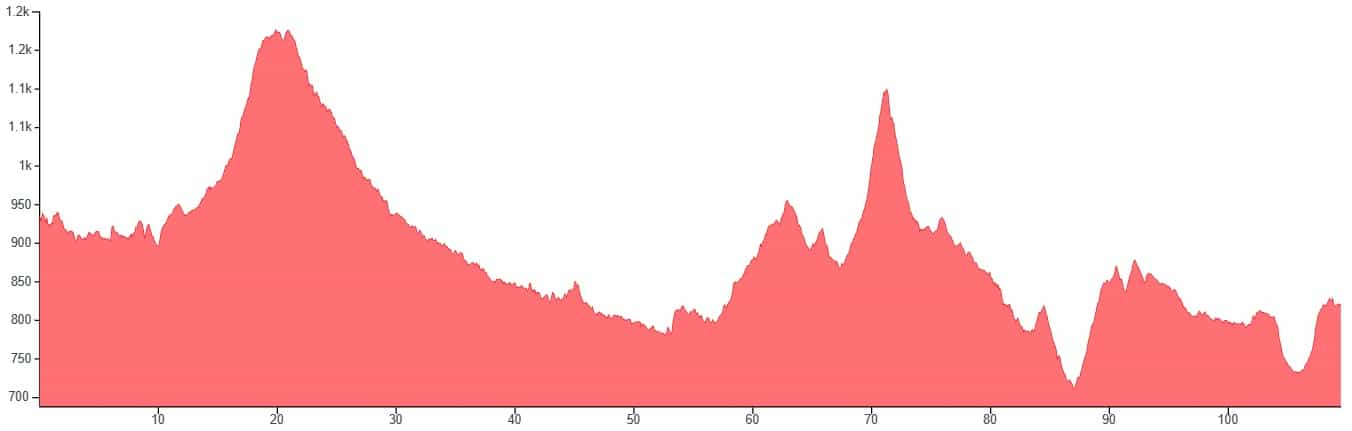
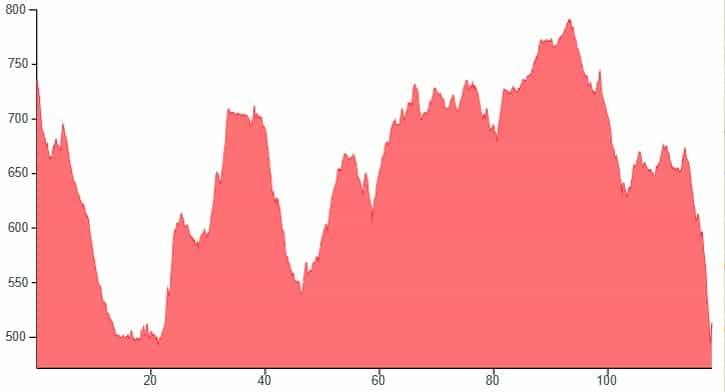
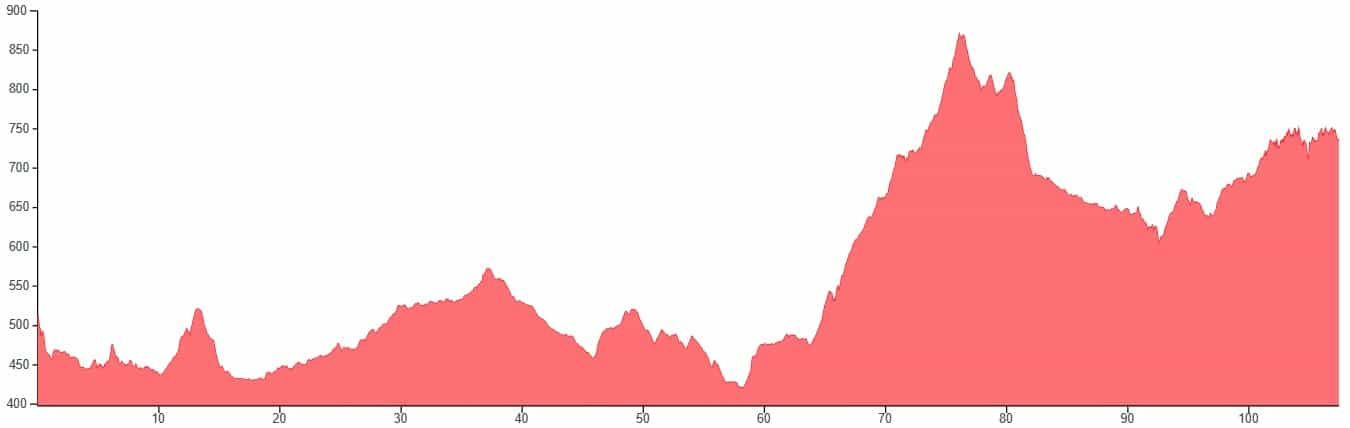
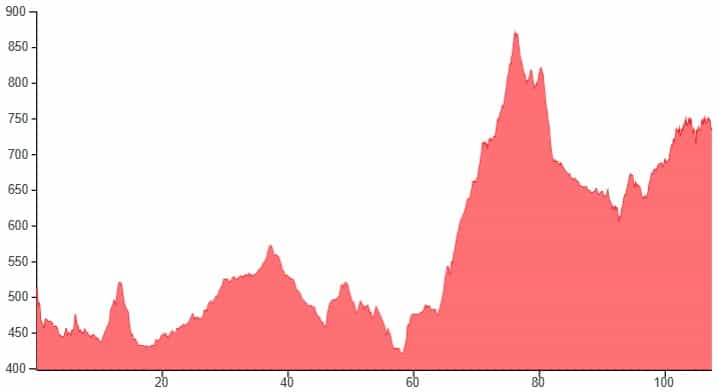
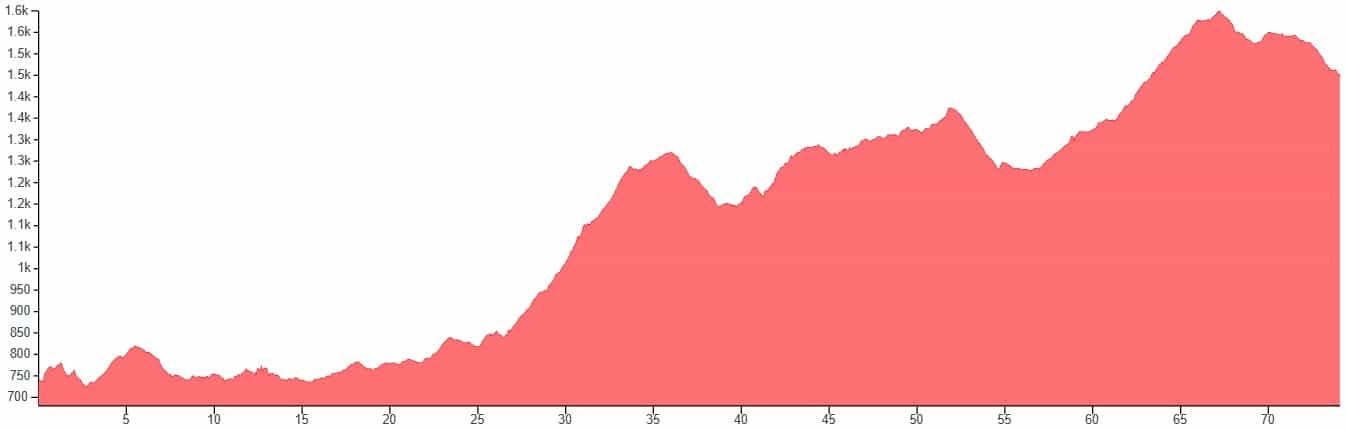
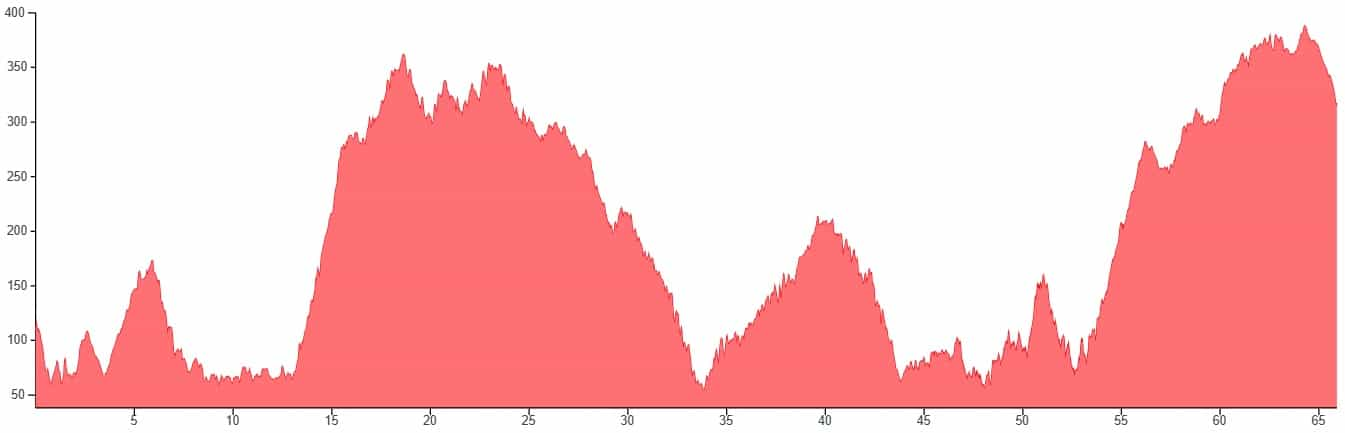
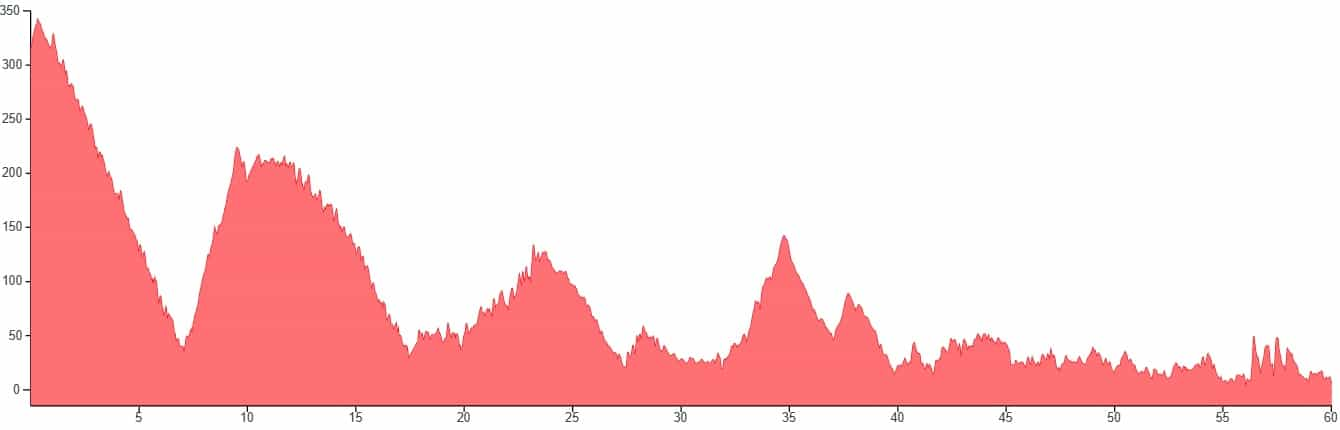
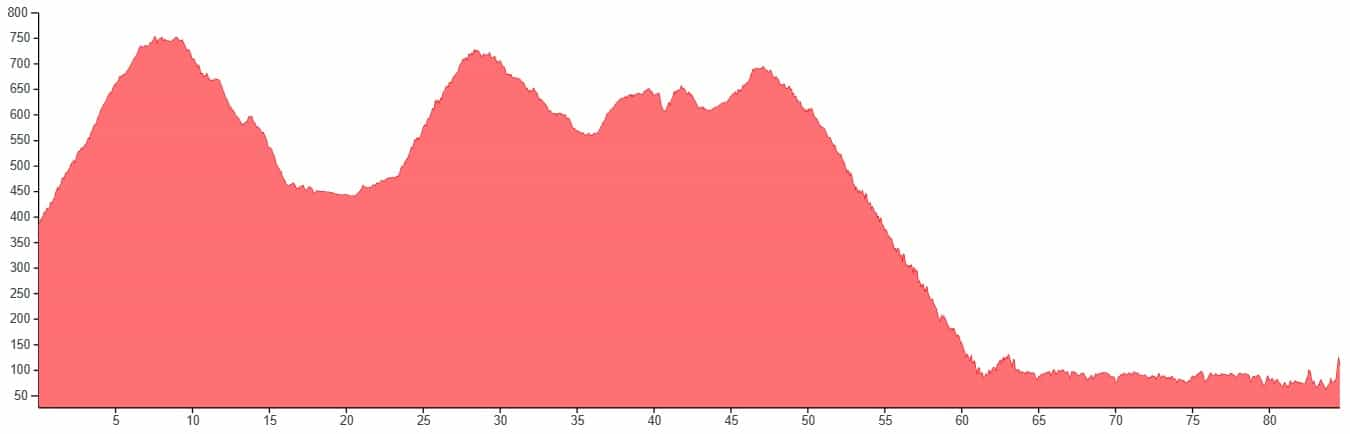
Understanding Profiles

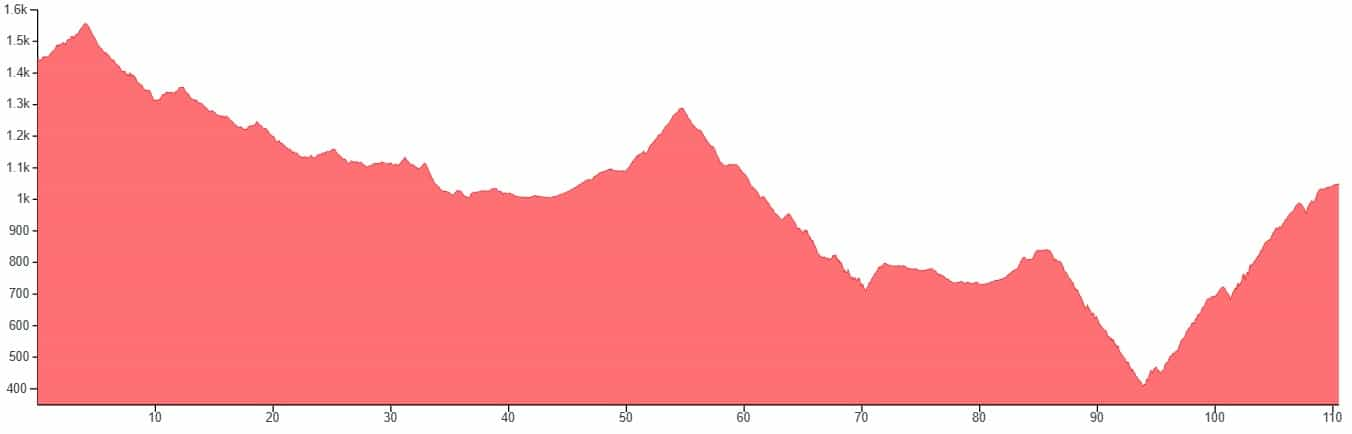
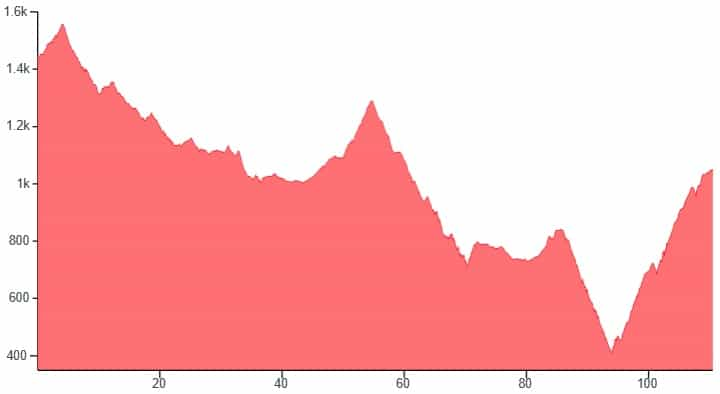
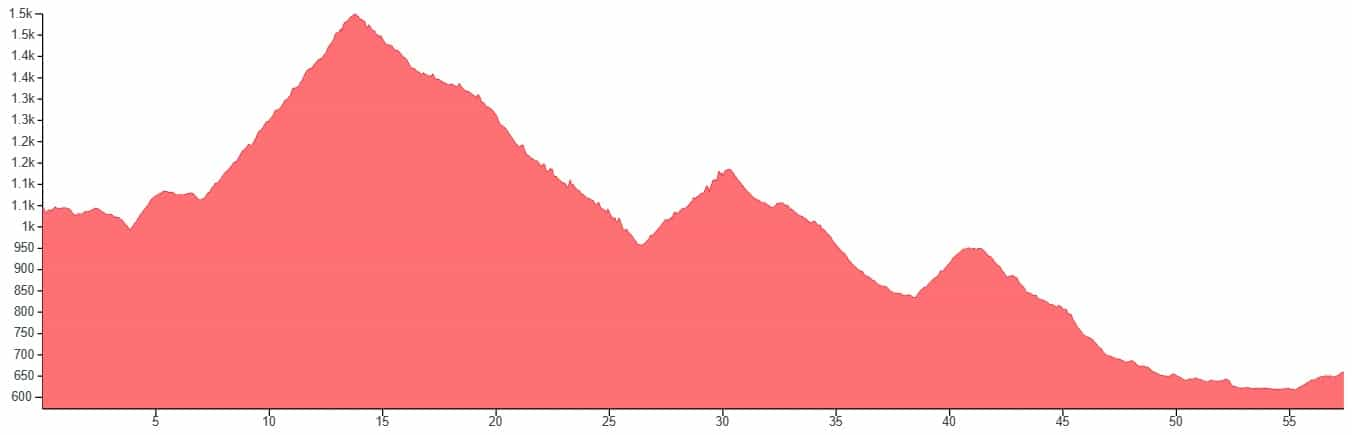
Use these profiles to see:

  • Distance in Km (horizontal axis)
  • Ascent / Descent in metres (vertical axis)

Click 'see gradient' to see:

  • Distance in Km (horizontal axis)
  • % Gradient (vertical axis)

White vertical lines indicate unpaved sections or slightly rougher terrain.

Please check the scales on both graphs, and both axes as they both may differ from day to day.

GPS units and navigation softwares produce different statistical information based on a number of different factors, so please keep in mind the information we’re providing here is meant to be an indicative guide only.

Gradients in particular can be difficult to measure consistently, and sometimes steepness shown can vary as much as 5-10% from what’s signposted on the ground.

Using both graphs, alongside the grading and terrain information provided, should however give you a good idea of how flat, bumpy or steep the climbing on your particular tour is going to be.

Learn More

Back to Top

Still Thinking It Over?

Register your interest and we'll keep you up-to-date on departures, availability, accommodation and all the amazing experiences we have in store on this trip.

The Cycling

Terrain

When crossing such a mountainous terrain we will inevitably take in some climbs as we cross several mountain ranges along the way. The focus of the trip however is on the journey, so all of the climbs will be manageable for a regular road cyclist, without the severity of the climbing dished up in our mountain challenge road trips. We will however encounter plenty of mountain roads and switchbacks and control is required on the smaller winding roads.

The asphalt is generally in good condition, but given the distance we are covering it is best to go for a harder compound tyre to minimise wear and punctures. We will encounter some short stretches of cobbles in the ancient towns. Generally, there will be well-paced days and some shorter distances where we’ll take some time to explore the sights of the places we will be staying in overnight. There will be some more challenging days, with distances of up to 100kms and one just over, along with some good days of climbing as we cross the Sierra de Gredos.

The majority of the riding will be on quiet, rural roads but around the bigger cities, the traffic levels will increase and there will be heavier vehicle traffic leaving Barcelona, around Toledo and Cuidad Rodrigo and when entering Porto at the end of the journey.

Group of road cyclists riding a scenic road in Spain on a guided tour.png

Road Cycling Grade

1
2
3
4
5
Grade 3 - 4: Moderate/ Challenging

Moderate to Challenging.

Aspects of both our grade 3 and 4 holidays.

For more regular riders who like to push themselves a little.

Not extreme but certainly challenging on occasions with some good climbing opportunities.

Distances between 80-120km per day.

Our grading guidelines have been carefully created based on our many years of cycling experience, as well as customer feedback from our trips. Of course, if you're still struggling to figure out where you fit on the scale, do feel free to give us a quick call and we'll be more than happy to help!

For more information about our grading system click here.

Is this suitable for you?

You’re an enthusiast. Road cycling is probably your main hobby and you ride regularly at weekends, staying on the bike for much of the day. You’re in pretty good shape, and you might also participate in cylo-sportive events. You also love a challenge and are looking for a tour with some good climbing, preferably with an opportunity to tick off some famous Tour de France cols, or the like. You’re a competent descender, and you’re not afraid of speed, but you ride safely and within your limits at all times. You understand road etiquette and you’re comfortable riding in a bunch. You might even take a stint at the front of the pack if the need arises.

For more information about the grading of a holiday in particular, please check out the terrain section which will give you some specifics of what to expect on the tour.

Back to Top

Dates & Prices

Secure Your Holiday With A Deposit

Book now with a $650 deposit and nothing more to pay until 60 days before departure. Choose a date to start your booking and see all prices, including bike hire and single room supplements.

$400 OFF

Save $400 on selected tours. Book before 31 October 2026 and enter promo code BN27. Your discount will be applied once your booking is confirmed. Ts and Cs apply.

Select a date to view prices and book
To see the prices for any optional extras, including bike hire, select your date below.
Start Date
End Date
Duration
Price p.p.
Start Date
09/04/2027
$400 OFF
Return Date
30/04/2027
Duration
22 days
Price
$8,490.00
Start Date
05/10/2027
$400 OFF
Return Date
26/10/2027
Duration
22 days
Price
$8,490.00

The Essentials

Travel Options

Your tour starts in Barcelona and finishes in Porto.

Group transfers are included in the cost of your holiday and both the arrival transfer from Barcelona airport (BCN) and return transfer to Porto airport (OPO) will be co-ordinated with the group flight schedule.

We will provide you with details of suitable flight/arrival/departure schedules as flight timetables become available.

Please check with us before making any travel arrangements to ensure we have reached the minimum number required to guarantee your holiday and to make sure your arrangements fit with our scheduled transfers.

Please note: If you make travel arrangements that fall outside of the scheduled transfer windows, there may be an additional charge for individual transfers.

Contact us for full details on the travel options on this trip

Accommodation

Accommodation typically includes shared twin or double en-suite rooms in carefully selected hotels or guesthouses, chosen for their quality, character and authenticity. Single occupancy rooms can be provided for a supplement and are subject to availability at the time of booking.

Contact us for full details on the accommodation for this trip

Bike Hire

Rental bikes will typically be a Giant Defy Advanced 2 or Giant Liv Avail Advanced 2 (for those preferring a women’s specific geometry) – or equivalent, with a carbon frame and hydraulic disc brakes.

All our bikes have good quality components, and come equipped with two bottle cages and water bottle, a seat post bag containing: puncture repair kit, multitool, inner tube and pump.

We can also include a helmet which should be requested at the time of booking.

Please note that your bike will come with flat pedals as standard, so please do bring your own if you use clip-in pedals.

If you are travelling overseas, hire bikes might have a different brake set-up to what you are used to. In Europe typically the rear brake is operated by your right hand and the front brake will be operated by your left hand.

Contact us for full details on the bikes available for hire on this trip

Back to Top

What's Included Tick

A) Accommodation (shared twin / double en suite rooms)

B) Meals as per the itinerary (B=Breakfast, L=Lunch, D=Dinner)

C) Full tour service, including Skedaddle guides

D) Unless stated, at least one leader qualified in first aid

E) Support vehicle and luggage transfers

F) Group airport transfer on scheduled arrival day from Barcelona airport (BCN)

G) Group airport transfer on scheduled departure day to Porto airport (OPO)

H) GPX files provided (GPS units available on request)

I) Financial Protection through ABTOT

What's not Included Cross

A) Bike rental (available if required)

B) Flights

C) Charges for travelling with your bike (if applicable)

D) Meals not stated in the itinerary

E) Single room (available if required)

F) Travel insurance

G) Personal clothing and equipment

H) Personal expenditure (souvenirs, bar bills etc.)

I) Entrance fees to museums and other attractions en route

J) Airport transfers on days other than the scheduled arrival / departure days

K) Tips for guides, drivers, support staff

Back to Top

Private Departures

Private Departures

Are you keen to only travel with your family or friends? Struggling to find the right date? Well, we can organise a private departure for this tour and tailor aspects to suit your group's specific needs. Contact our friendly team and we'll help you turn your dream into reality.

FAQs

Can I hire a bike?

Yes, we have a range of high-quality hire bikes available on all of our tours that you can select at the time of booking (you can see more details about our hire bikes in the dedicated section above.) Or, if you prefer the flexibility to bring your own bike, this is also an option.

Do I need to wear a cycle helmet?

Yes. We take very seriously the duty of care we have towards our customers, and we will always ask that you wear a helmet. If you don’t own a helmet, then let us know and we’ll ensure there is one available for you. More about our helmet policy.

What bike spares should I bring?

If you’re bringing your own bike, it’s a good idea to pack basic tools (tyre levers, pump, chain tool) and a puncture repair kit with a spare inner tube in a saddle bag or day bag. If you’re hiring a bike with us, then we’ll provide you with tools and spares. If you run into problems with your bike or have a mechanical, we’ll always be available to assist.

Do you transfer my luggage and bike box?

Yes, our tours include luggage transfers so you can enjoy cycling without the need to carry heavy bags. If you’re bringing your own bike in a bike box or bag, then we will store and transfer it for you. Please let us know in advance if you are bringing a bike box – the size, make and model.

How many guides will there be and what kind of support do they offer?

Each tour has a minimum of two guides, depending on the group size, with one guide riding and one guide in the support vehicle. Our guides are qualified, experienced and always ready to offer support when needed. Whether fixing a bike mechanical, administering first aid, preparing delicious picnics or simply offering advice and motivation for your ride, they want to make sure every pedal stroke of your trip runs like clockwork.

Is there a support vehicle?

Yes. Each tour has a support vehicle which will typically be there for coffee stops and picnic lunches. The vehicle may not always be with the group for the duration of the riding day, but it’s never too far away and within easy reach, if needed. You’re welcome to leave a day bag in the vehicle with spare clothing and snacks.

Can I use the support vehicle if I need a lift?

Our team are always happy to discuss grades and training so hopefully you’ll be able to complete your tour comfortably. Of course, there may be times when something happens and you’re not able to ride. Our support vehicle is there to help should you feel unwell or unable to ride and we always have further back-up transfers and taxis available should an issue arise.

Do you ride on busy roads?

Our tours are designed to stick to quiet and scenic roads as much as possible. There may be times when we ride on busier roads in some of the urban areas near towns or cities, but we recce all our routes carefully to avoid any kind of road that we would deem dangerous for cyclists. Your safety is our number one priority. You’ll find more details about the route in the terrain section above.

What are the group sizes?

We deliberately keep our group sizes smaller than you might find with other companies. We typically guarantee group trips to run on a minimum number of five to six riders, and some popular tours can reach 14 or 15 riders.

Can you organise private group tours?

Yes, we can organise private group tours. We usually recommend a minimum group size of 8 to 10 riders for our tailor-made itineraries. Chat to our team to find out more.

Can I join as a solo traveller?

Absolutely! We welcome many solo travellers on our group holidays. It’s a great way to meet like-minded cyclists. Our rooms are allocated on a twin share basis, but you can select a single supplement when you book if you would prefer to have your own room. These are subject to availability.

Do you cater for different dietary needs?

Vegetarians and people with specific dietary requirements will be catered for – please let us know at the time of booking if you have any dietary requirements. Snacks will always be available, but you are also more than welcome to bring any specific foods or energy gels that you prefer. Download the Trip Notes for more information about the local cuisine you can expect on this holiday.

News, Reviews & Stories

Iconic Fitness – How to Prepare To Ride 1000 Miles

What exactly is an 'Iconic Journey'? We didn’t name this collection of trips lightly, they really are iconic. Epic in both their scale and challenge, each Iconic Journey typically spans 1,000 miles, crossing entire countries and presenting a substantial physical challenge rewarded with breathtaking landscapes and fresh experiences at every turn. With Iconic Journeys in ...

Bridge spanning over Douro River in the city of Porto, Portugal

Cycling The Trans Iberia – Barcelona to Porto

The Trans Iberia – Barcelona to Porto is the newest Iconic Journey in our range and quite possibly one of the most exciting end-to-end tours we’ve launched! We caught up with Head of Skedaddle Espana, Dan, to learn a little more about this ‘grand tour’.  Tell us a bit about your new tour – Trans ...

Two cyclists riding on a scenic coastal road in Northern Spain

8 things you’ll only understand if you’ve been cycling in Spain…

With over 30 cycling holidays in Spain (and counting) brought to you by our established Skedaddle España base, Spain is a destination we’re proud to call our casa! And what better way to understand more about this popular cycling destination than by hearing from our local team out there? Here’s why they can’t get enough of ...
Reviews

3