-alps-terrain.jpg)
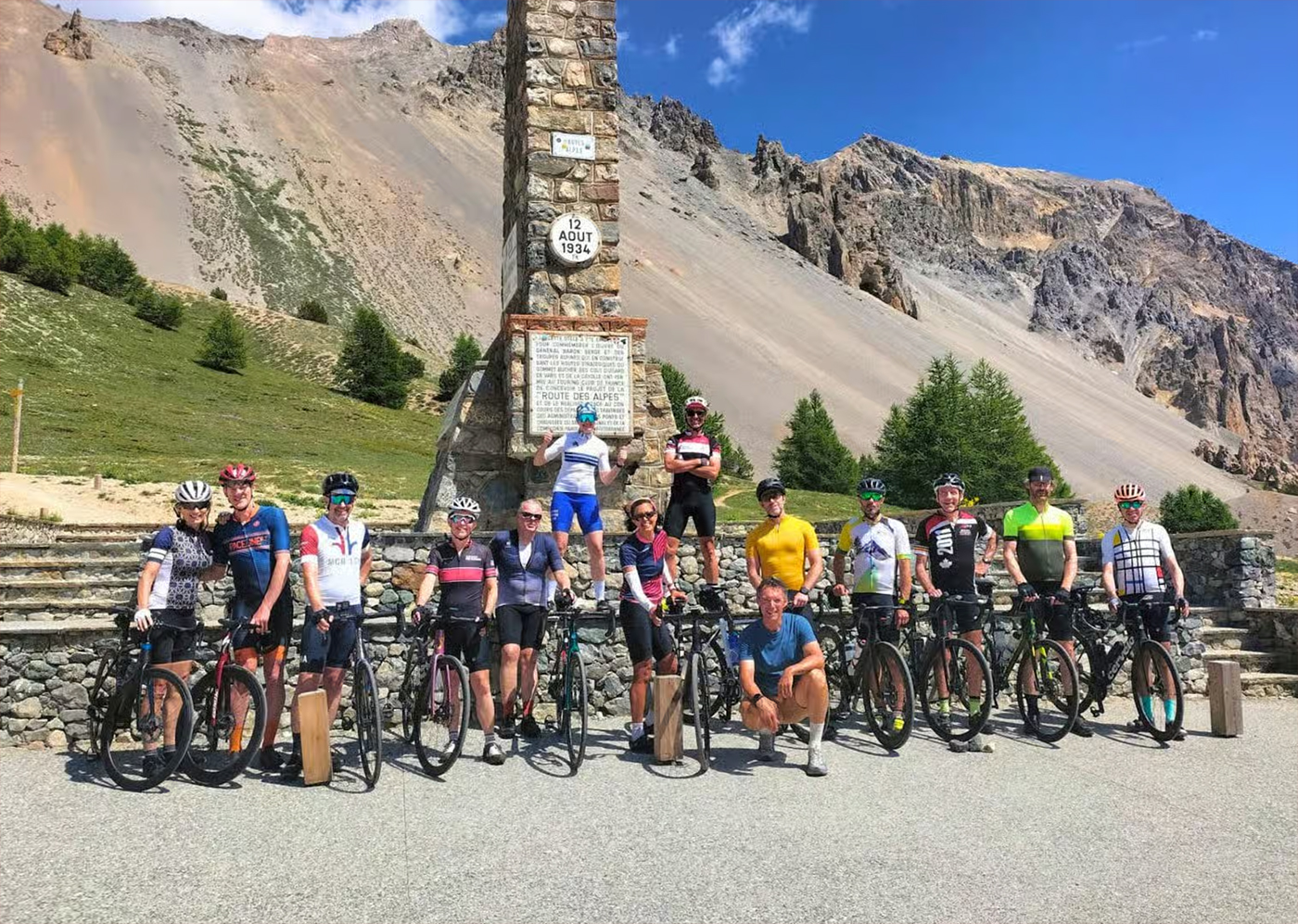
Road cycling in the Alps is defined by its dramatic changes in elevation and constantly changing mountain terrain. Climbs often involve long, sustained gradients rather than short, sharp efforts, with many famous passes rising thousands of metres from valley floors to high mountain summits. Riders can expect sweeping hairpins, tight switchbacks and exposed sections where the road contours around steep mountainsides.
The geography creates a huge variety of challenges. Deep valleys provide gentler approaches before roads begin to climb through forests, alpine meadows and rocky landscapes. Higher up, thinner air, changing weather conditions and extended ascents add to the challenge, while the descents demand concentration with technical corners and fast-flowing sections.
Italy is particularly suited to riders looking to develop their climbing ability, with iconic Giro d’Italia routes combining steep gradients, relentless elevation gain and technical descents. From carefully paced valley rides to demanding high-mountain challenges, the Alps offer terrain to suit cyclists looking to test their skills.
Leisure cyclists can also enjoy the Alps on the Via Claudia at a more relaxed pace, following scenic routes through traditional mountain villages, lakeside landscapes and wide alpine valleys. Traffic-free cycle paths, quieter roads, rewarding café stops and the chance to enjoy a tasty gelato on the shores of Lake Garda make it possible to experience the beauty of the mountains without tackling the region's most demanding climbs.
For mountain bikers, the Alps offer an entirely different adventure, with everything from flowing forest singletrack and high-altitude traverses to technical descents and purpose-built trail networks. Regions such as the Dolomites and Aosta Valley are renowned for their spectacular riding, combining dramatic scenery with trails suitable for a range of abilities.
.png)