.png)


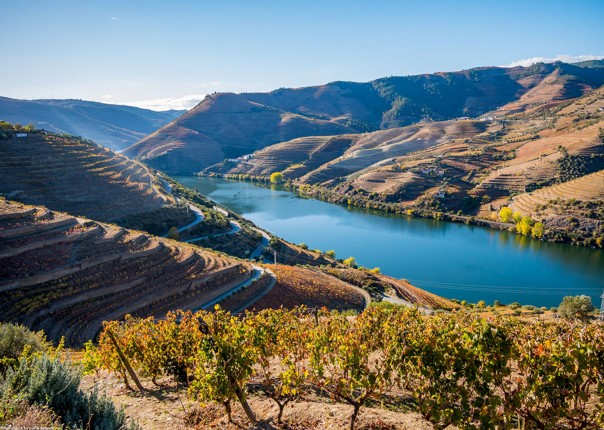
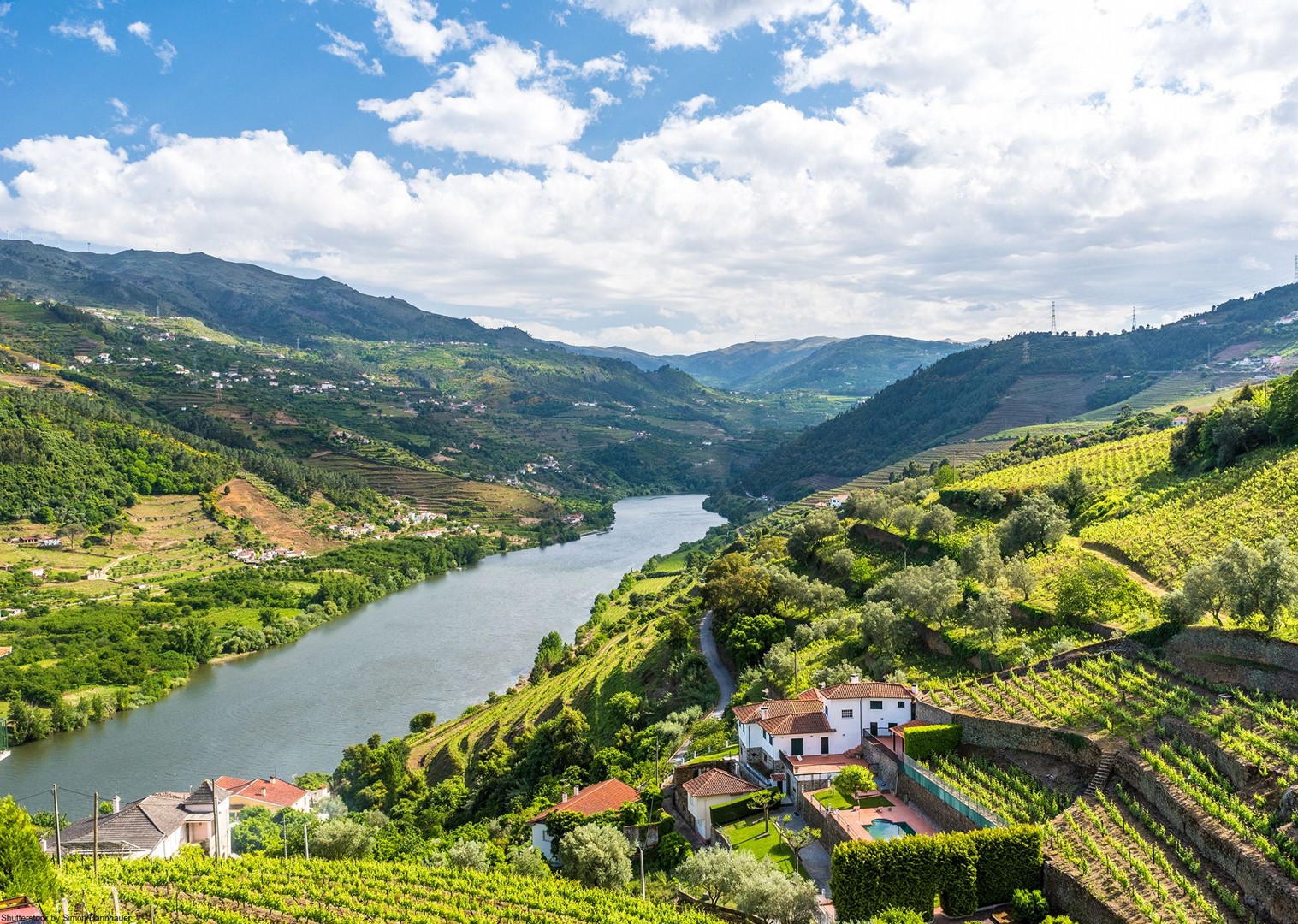
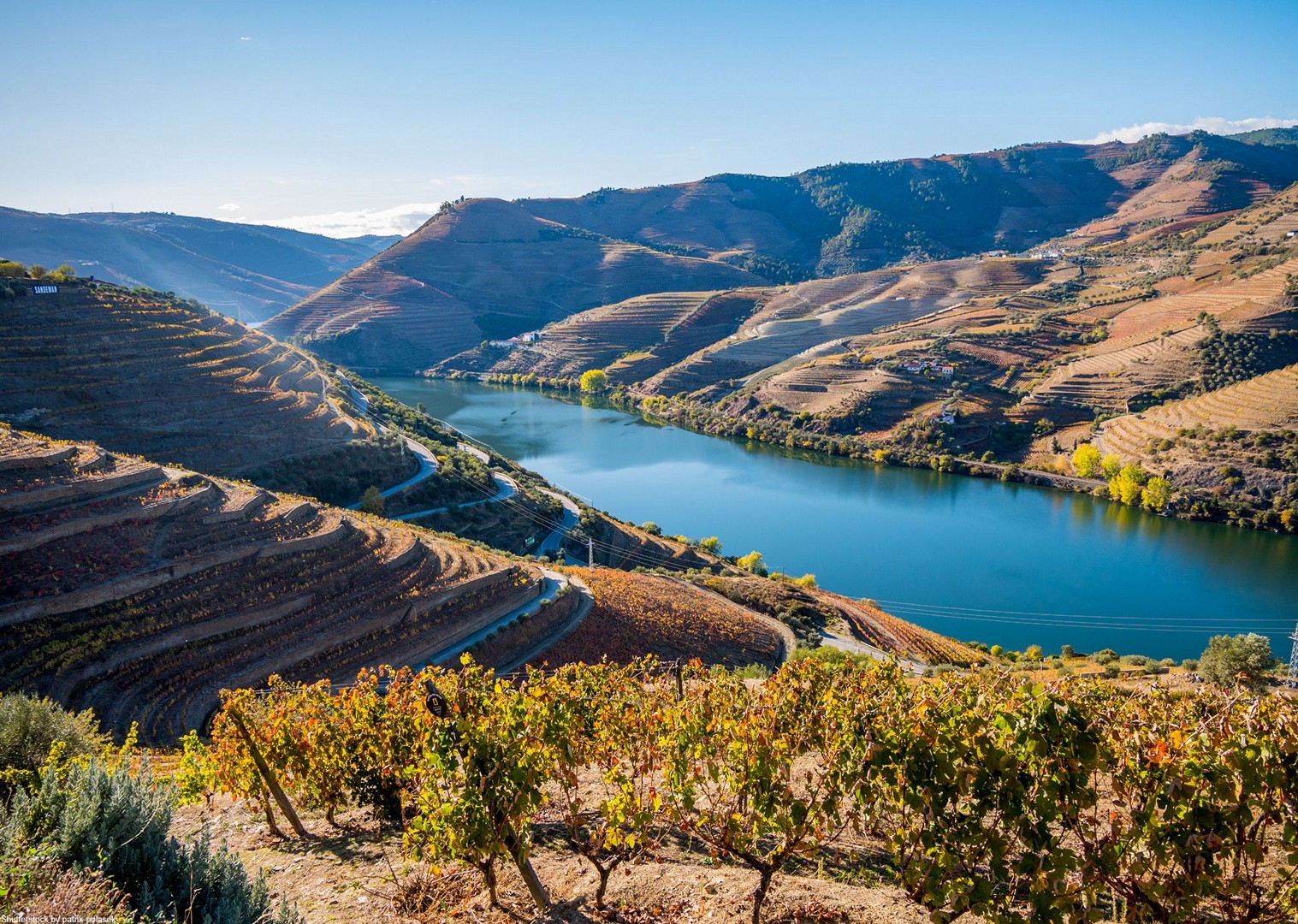
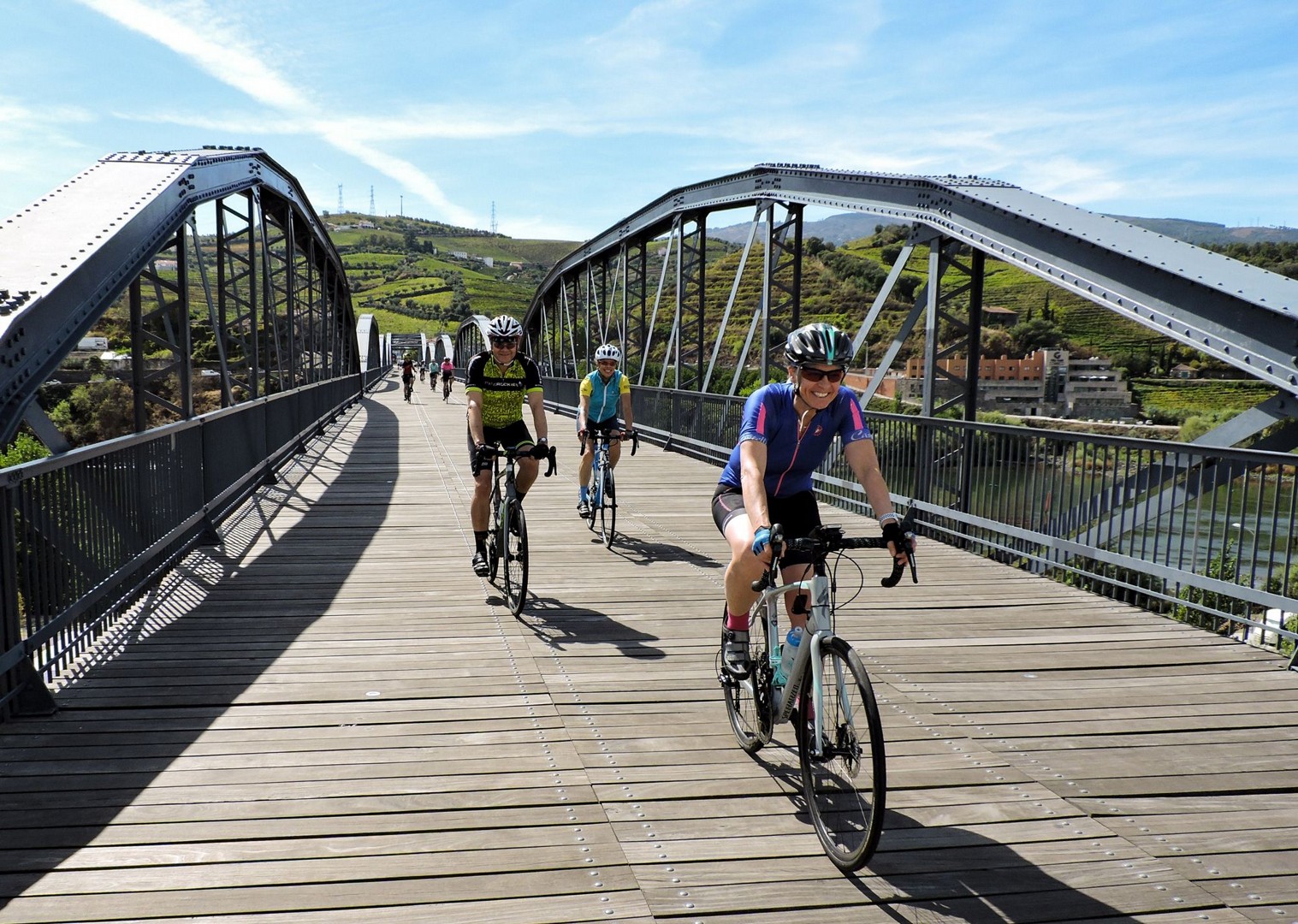
The Douro river, Portugal’s spectacularly beautiful River of Gold, is the third largest on the Iberian peninsula. The source of the Douro is actually in Spain (where it is known as Rio Duero) and, for many of its almost 900km it forms a natural boundary between the two countries, before making its way to the north-western city of Porto where it flows into the Atlantic.
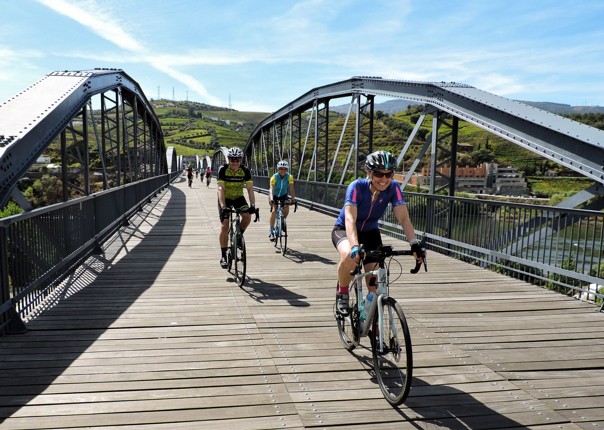
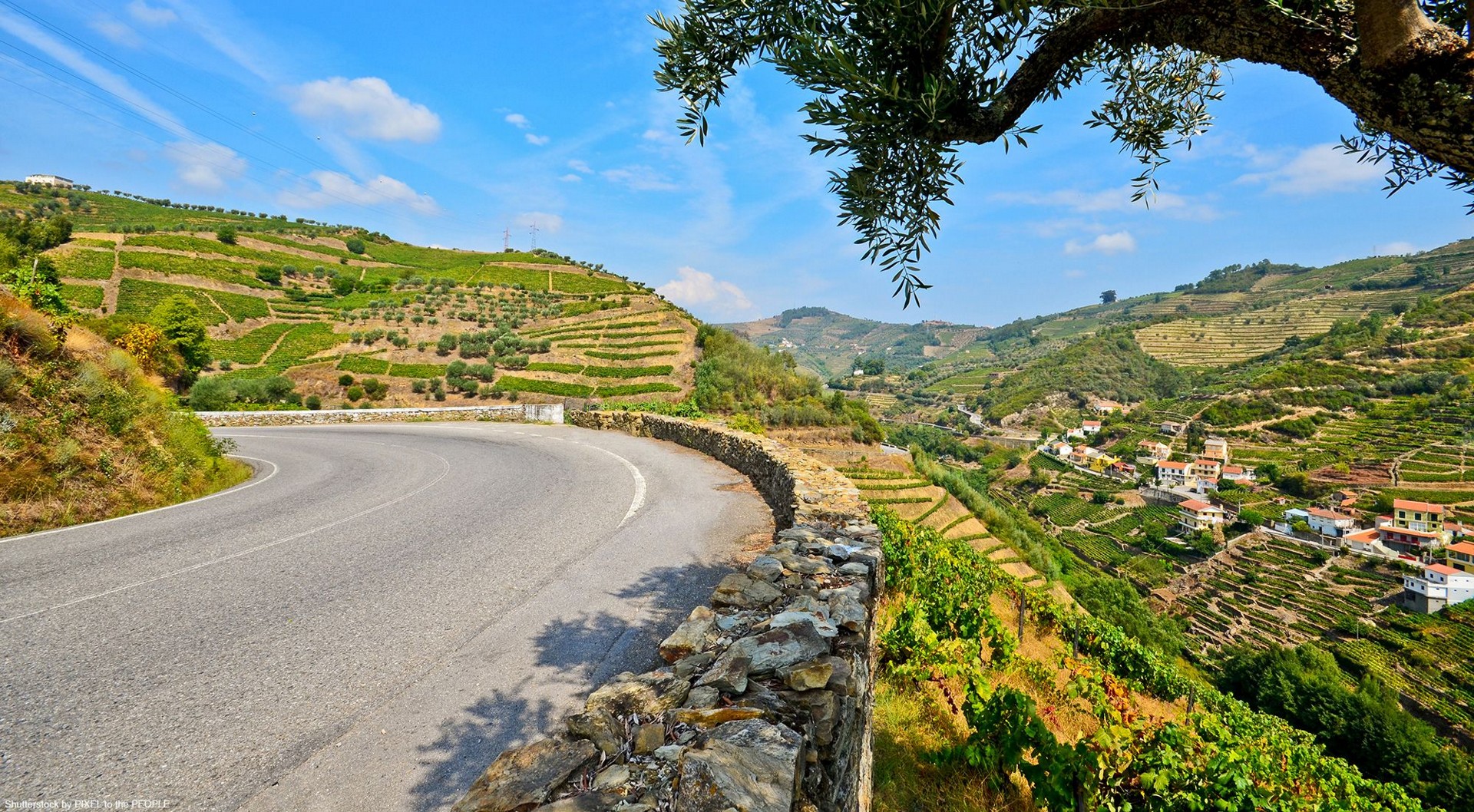
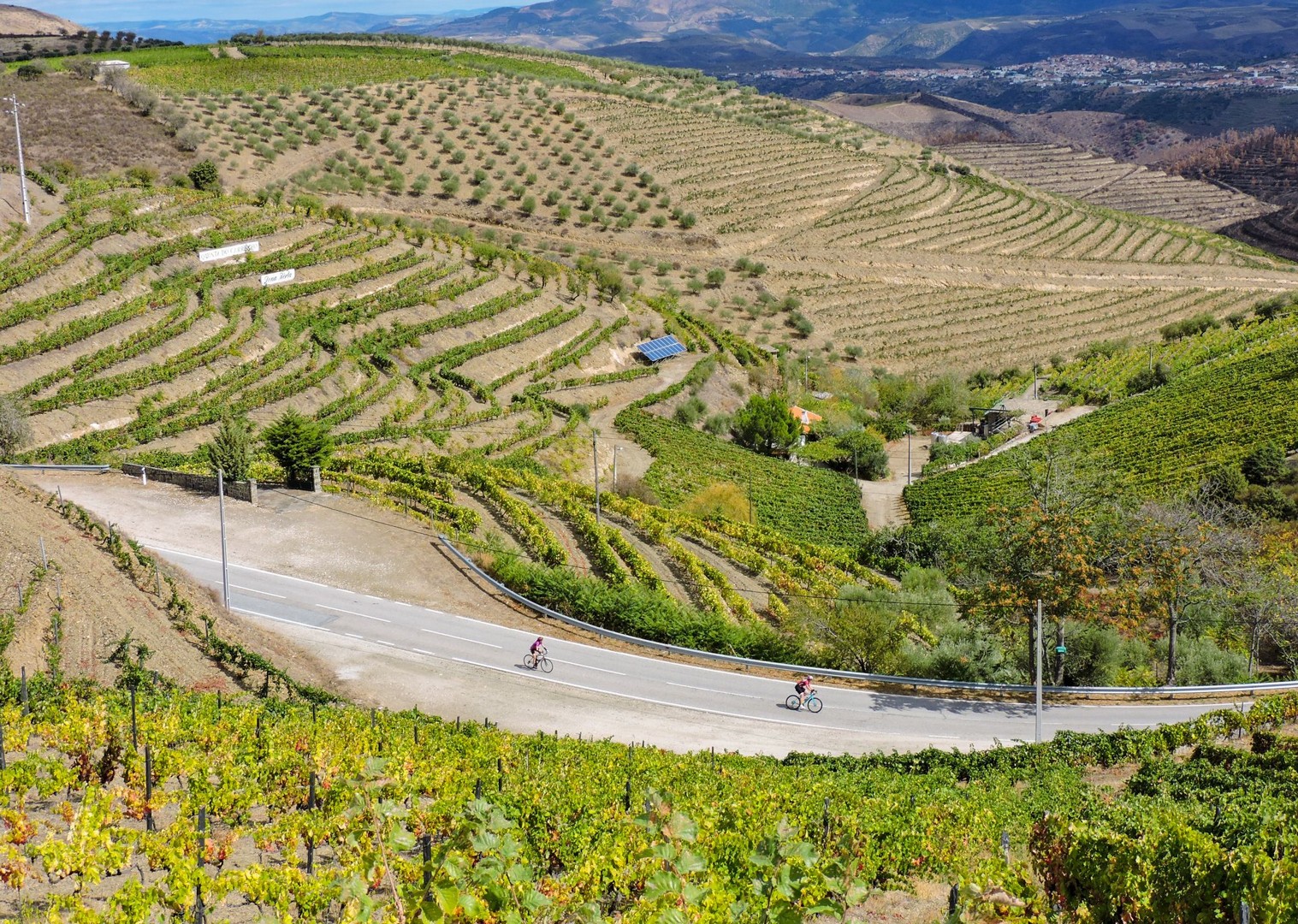
The valley, recognised as a UNESCO World Heritage Site, that the river has carved through the north of Portugal, is one of the oldest wine regions in the world, yet whilst the region is intrinsically linked to its famously high-quality produce, it has so much more to offer than its wines alone. Here you can expect high standards of accommodation, refreshingly hospitable local hosts, excellent food and of course fantastic cycling.
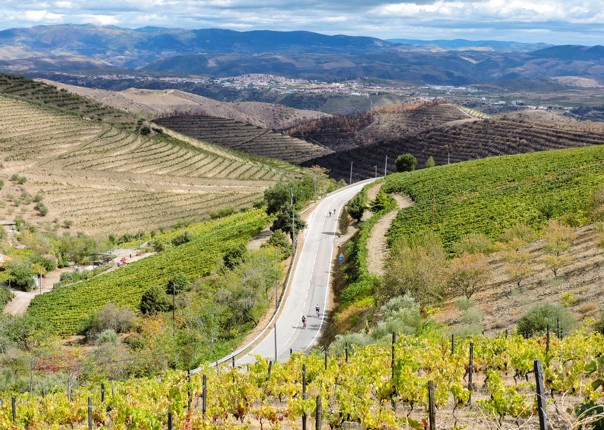
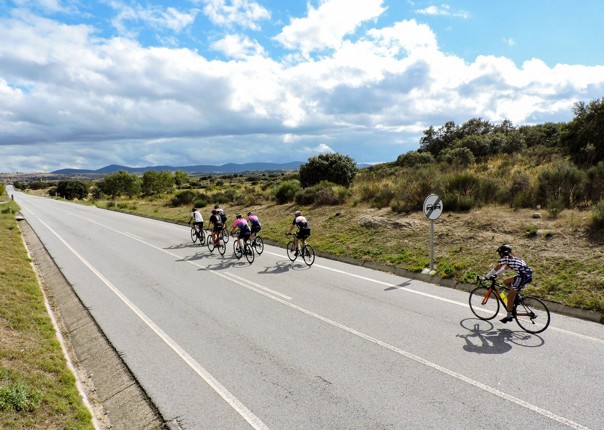
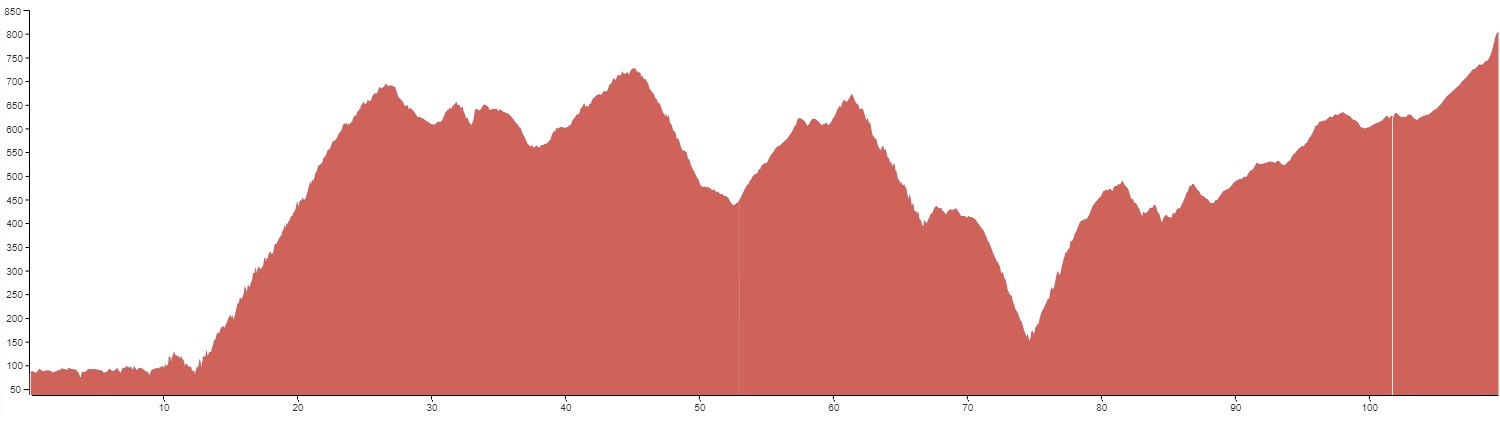
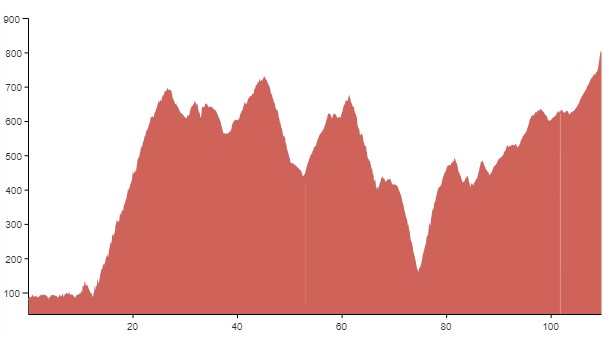
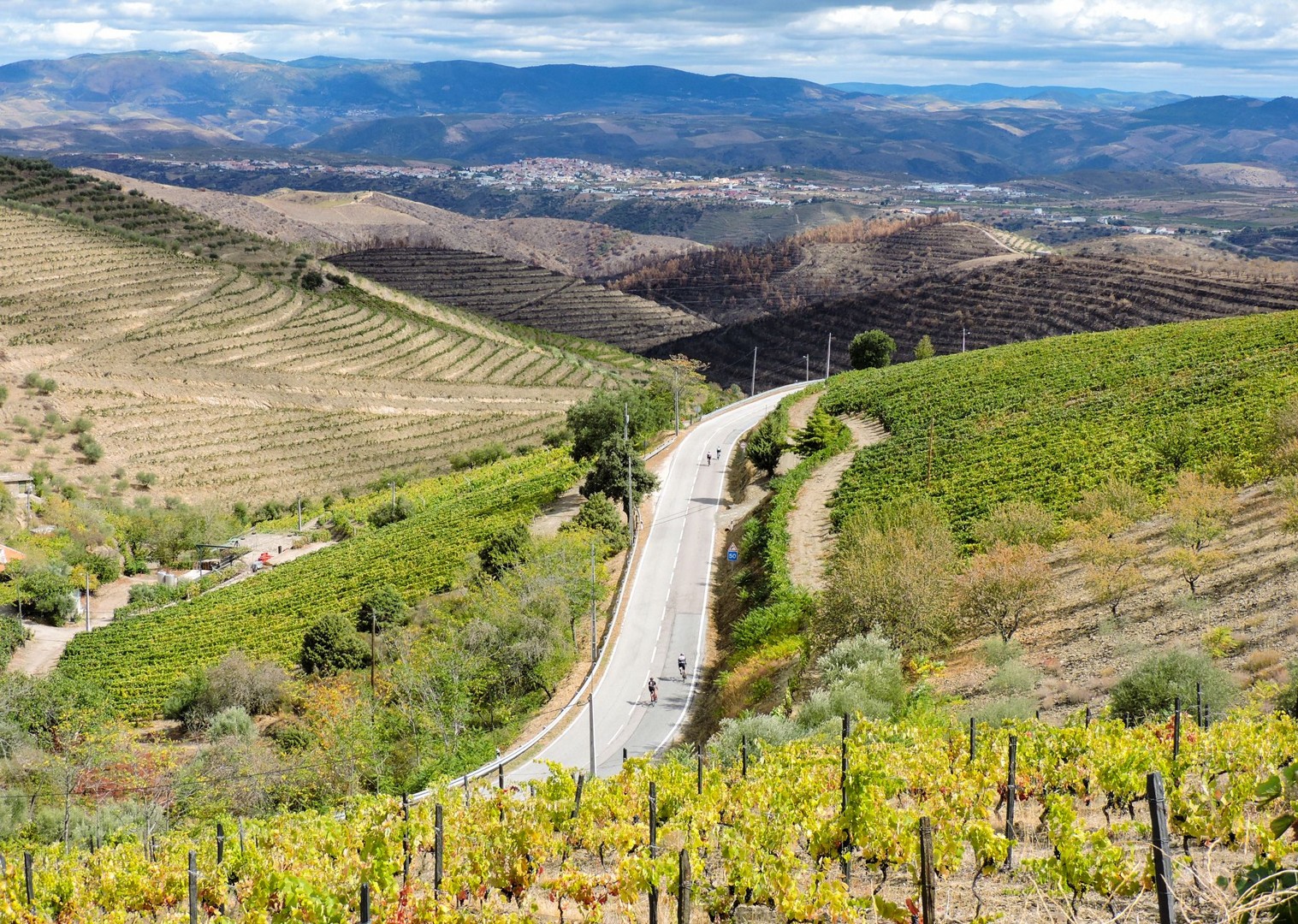
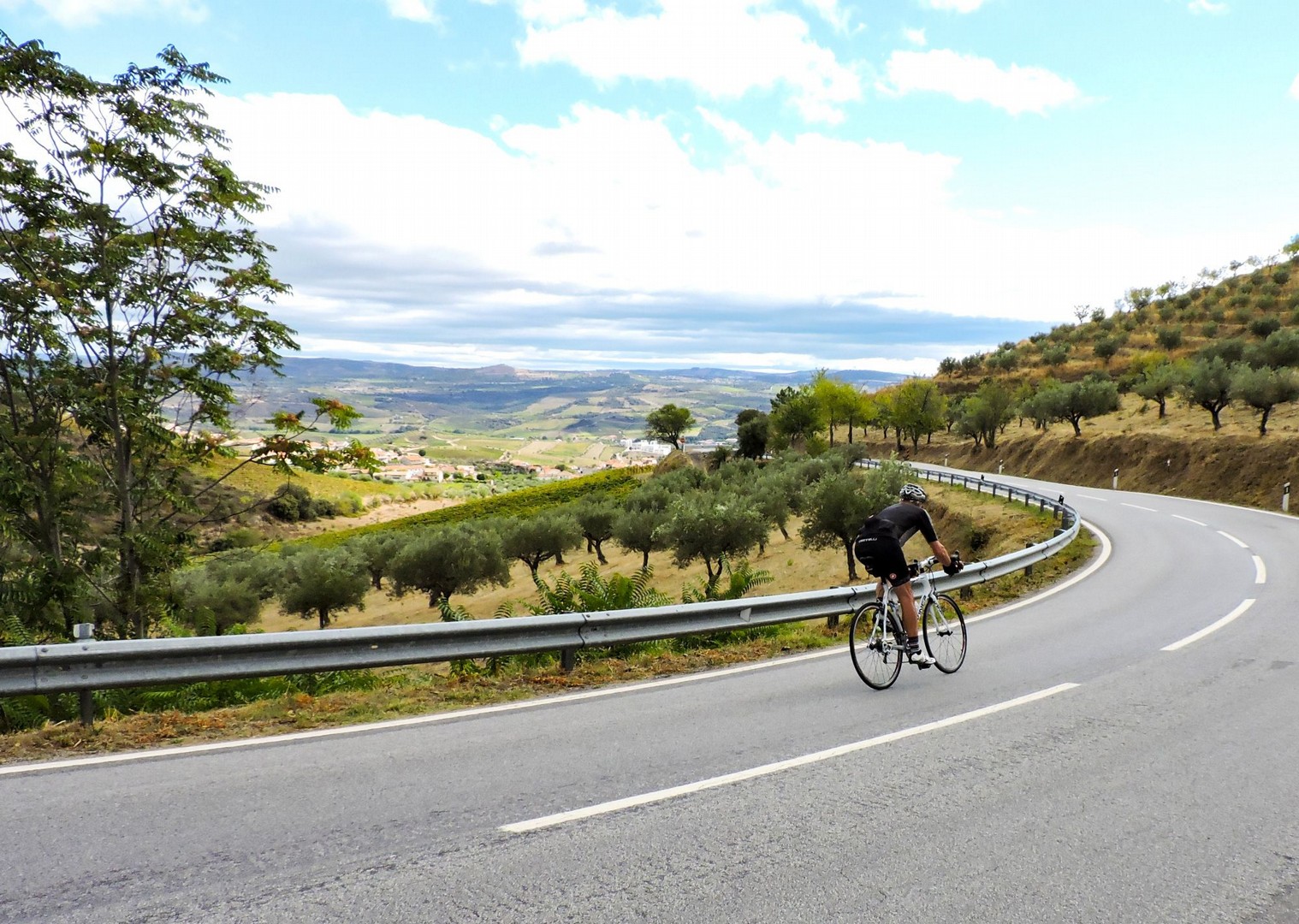
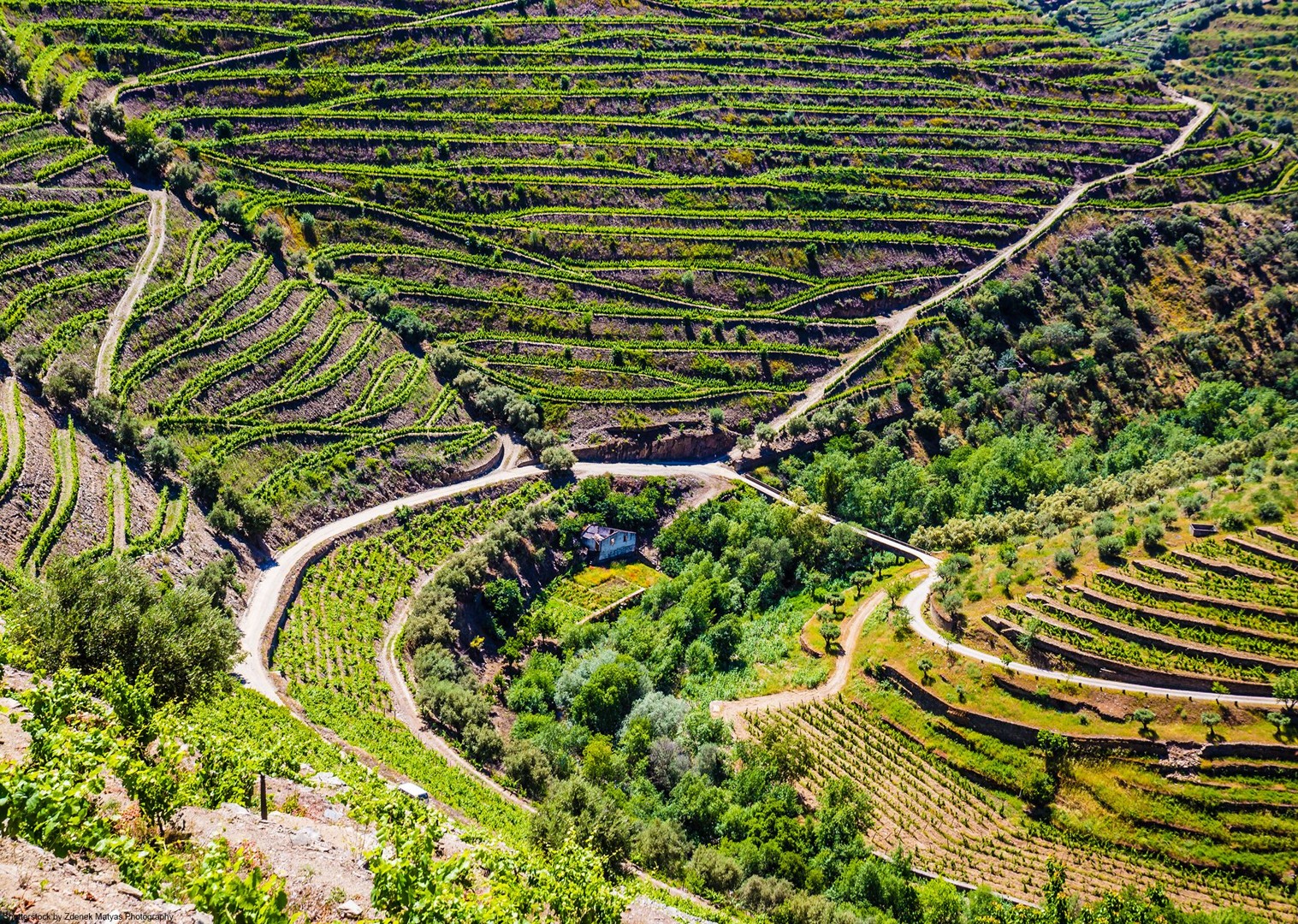
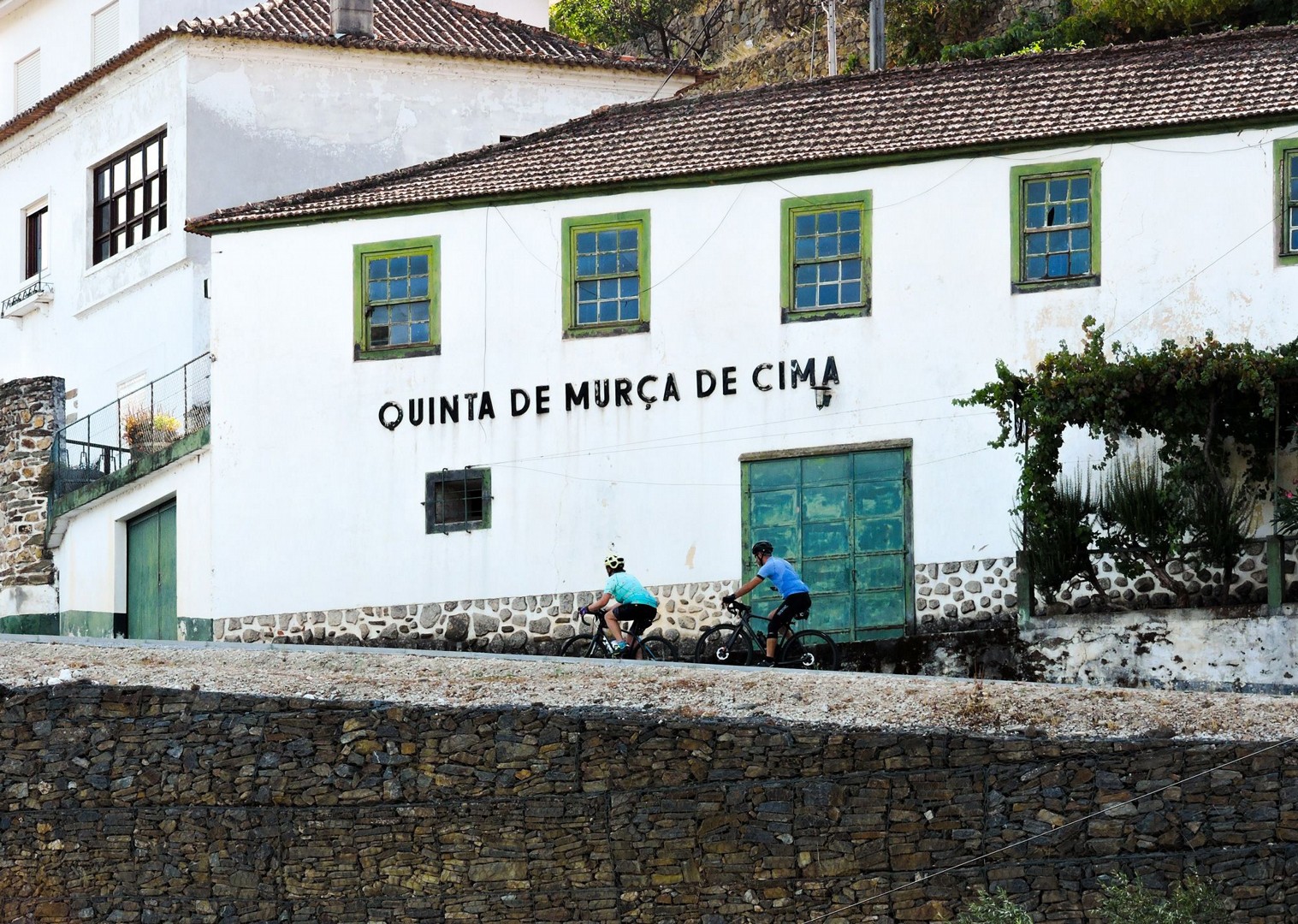
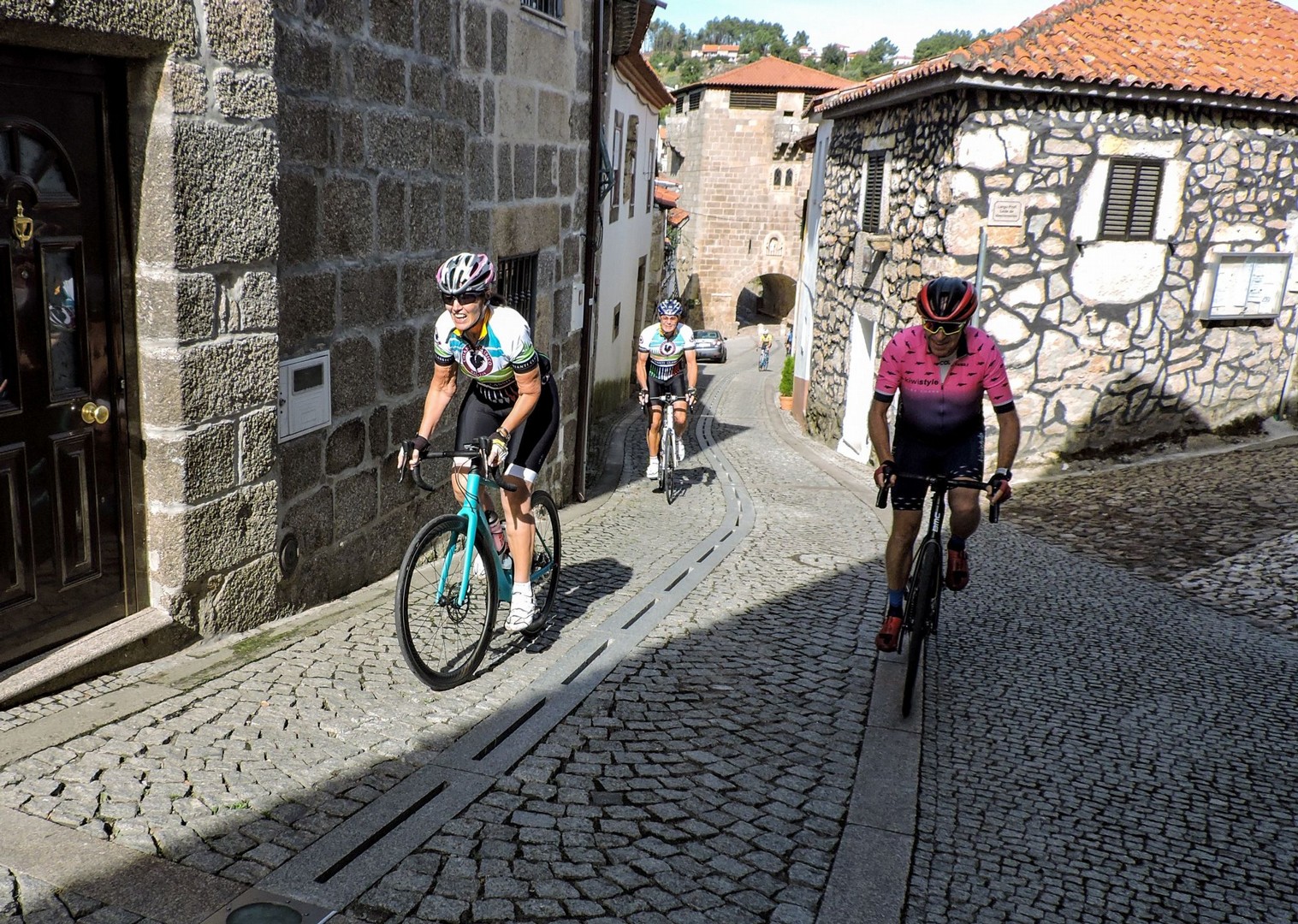
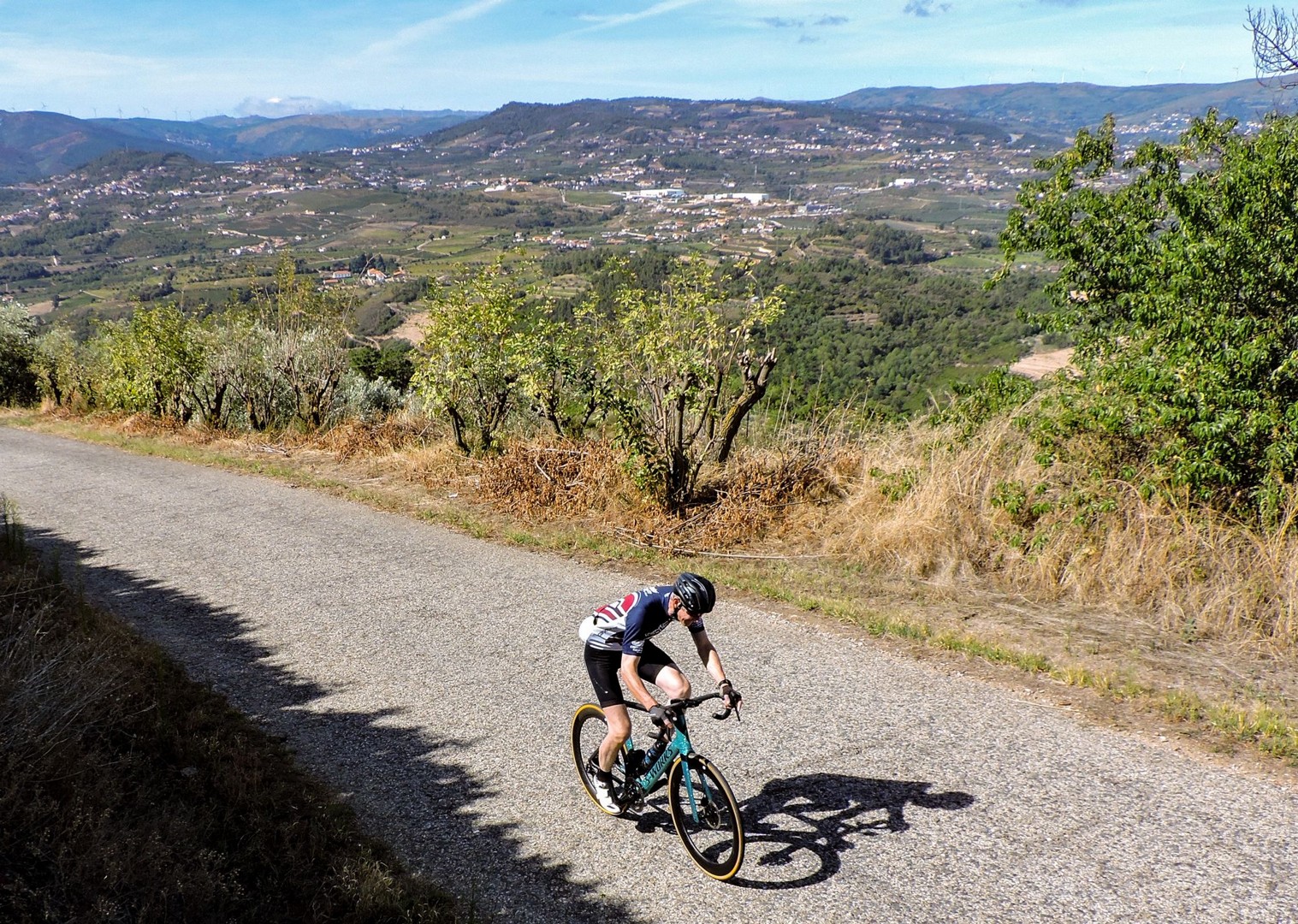
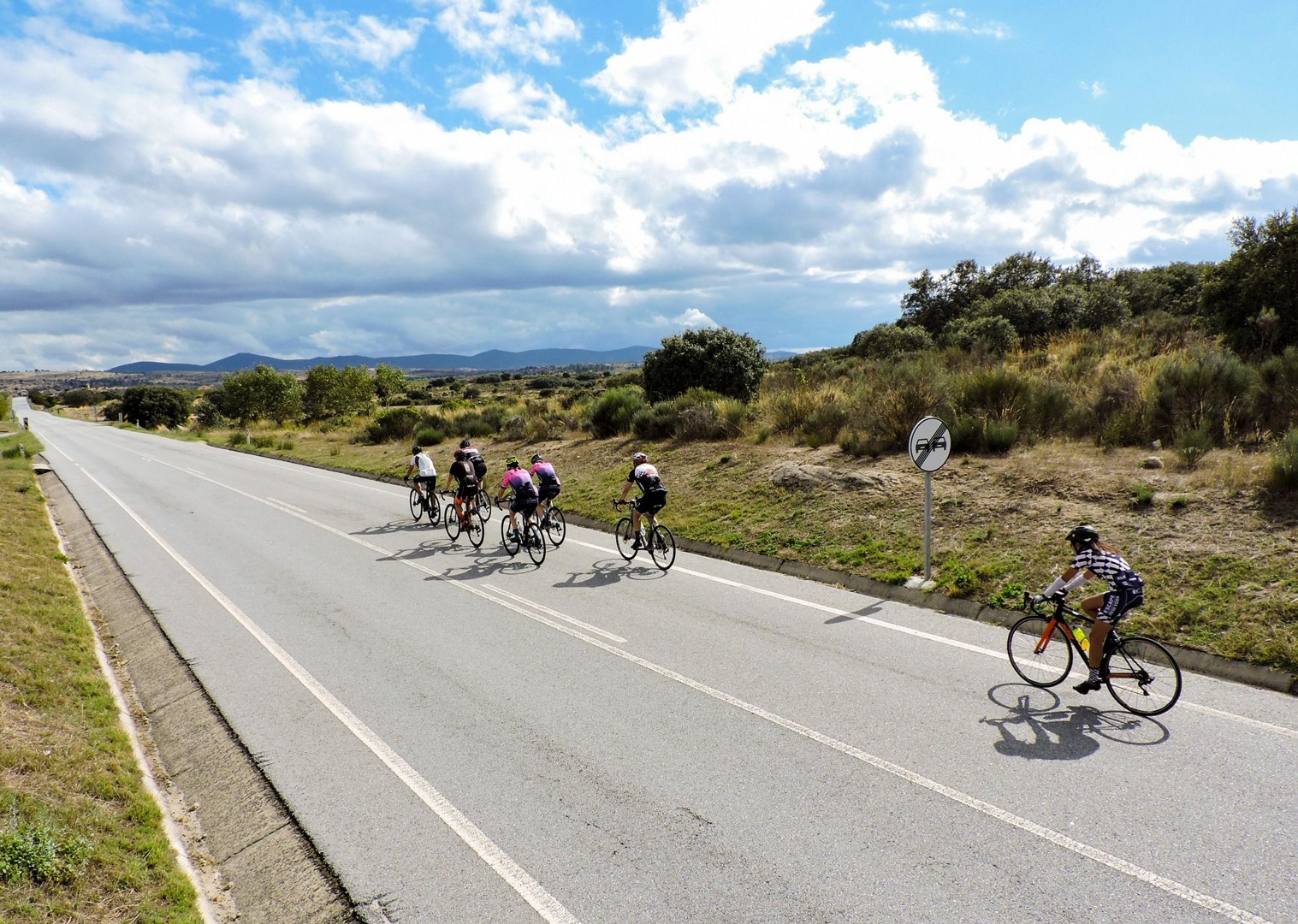
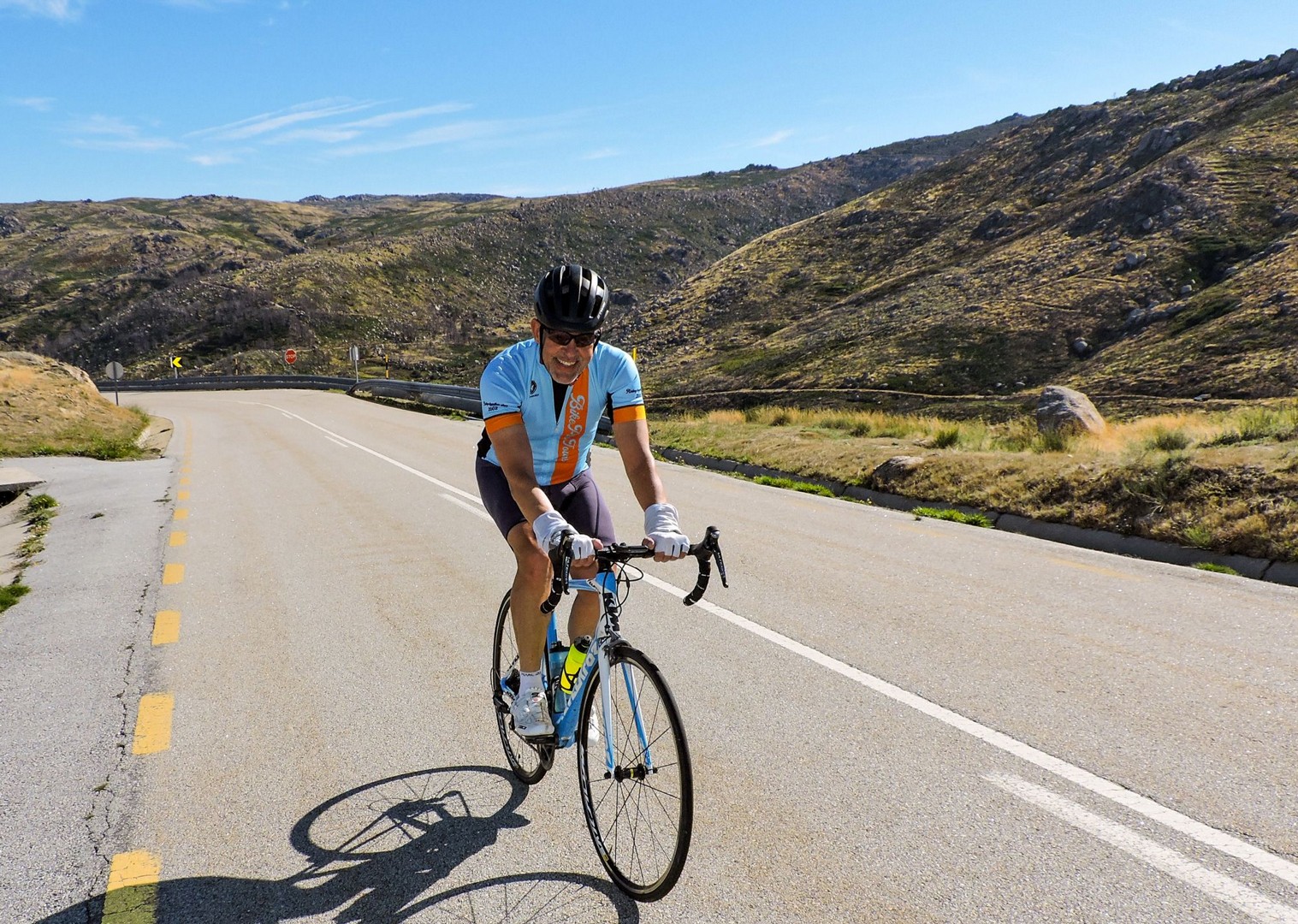
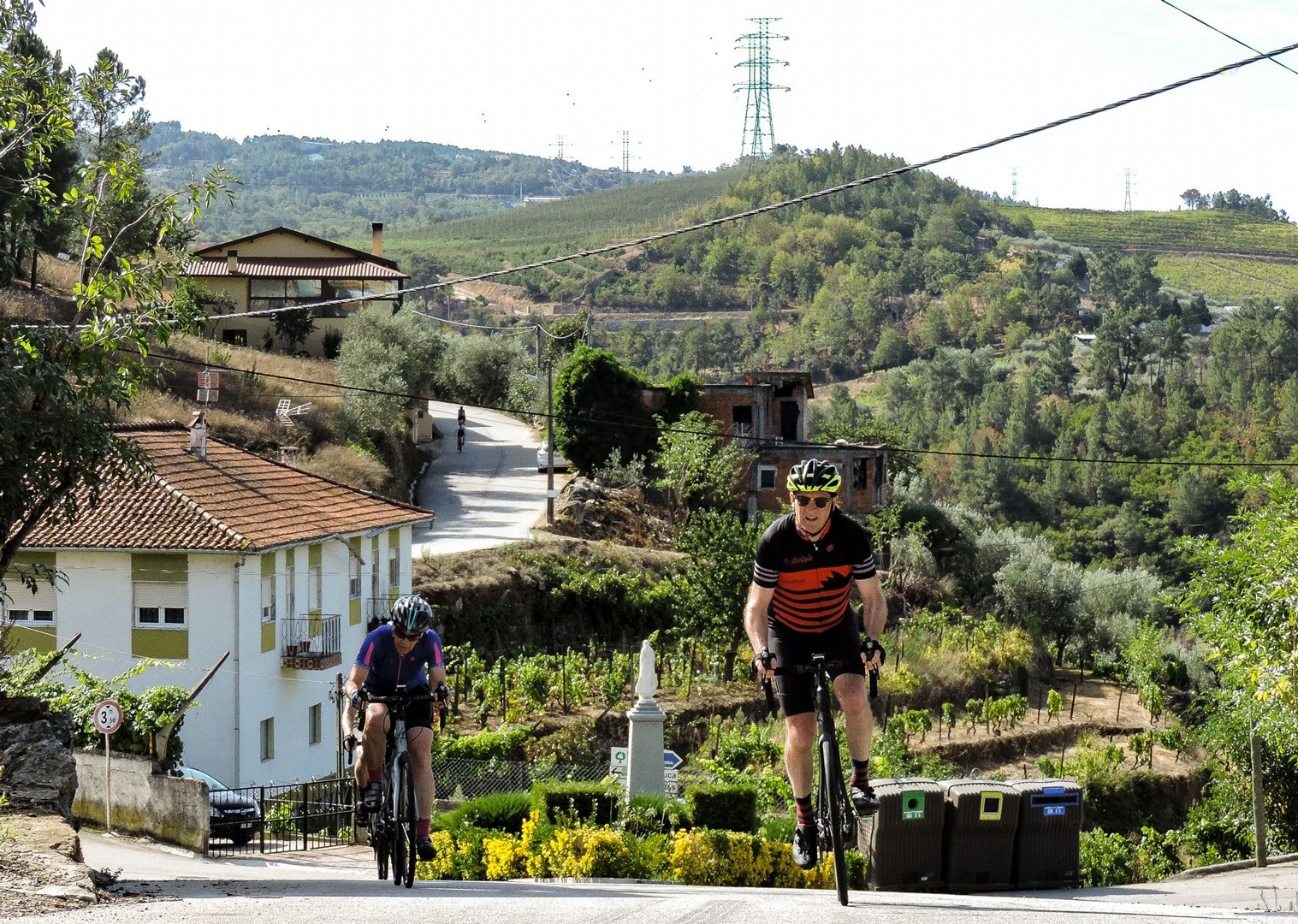
The slopes of the valley are blessed with a network of secondary roads linking tiny villages on both sides of the river. Our tour weaves around these, mainly on traffic-free roads, as we make our journey upstream, exploring many a small mountain as we go.
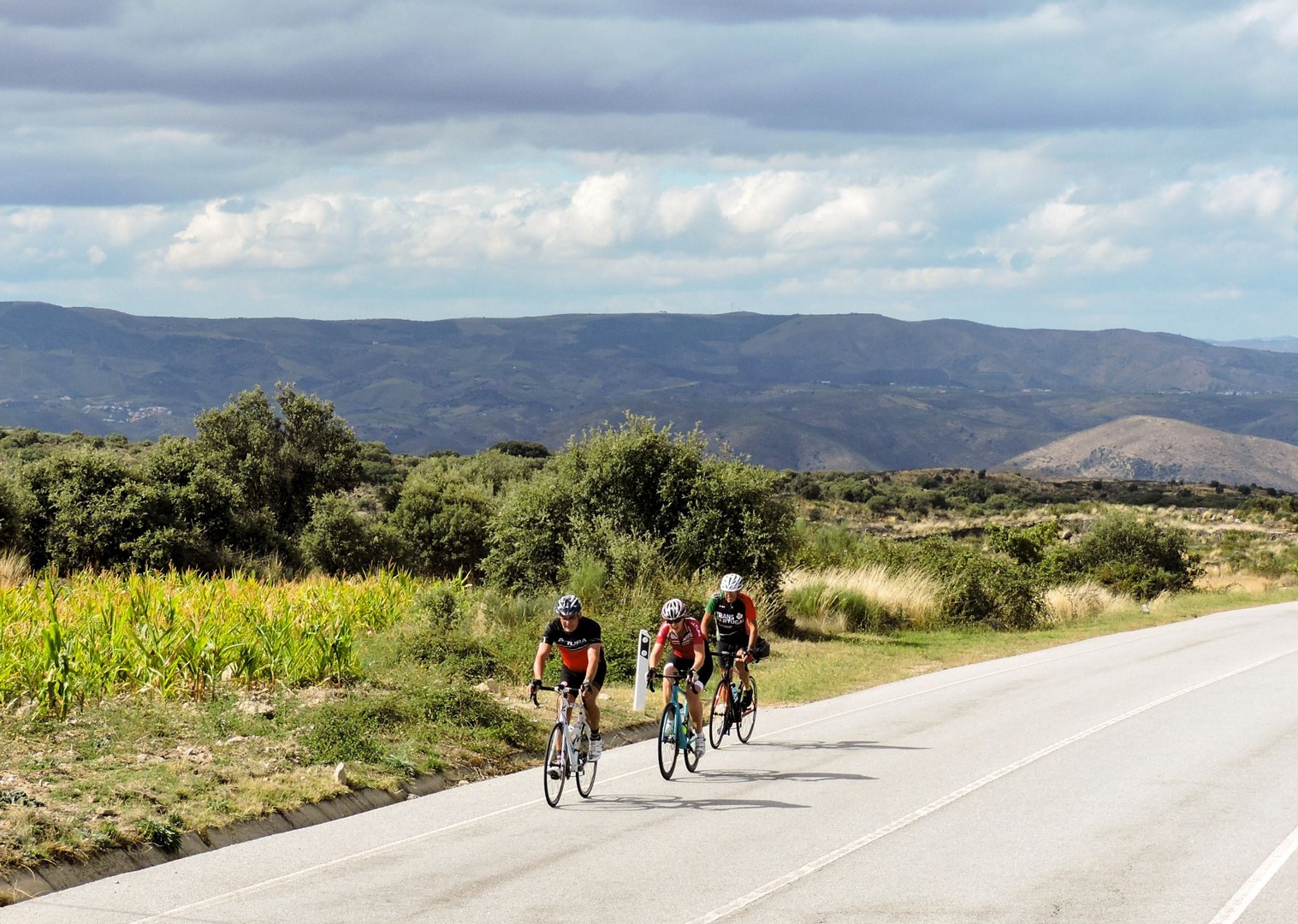
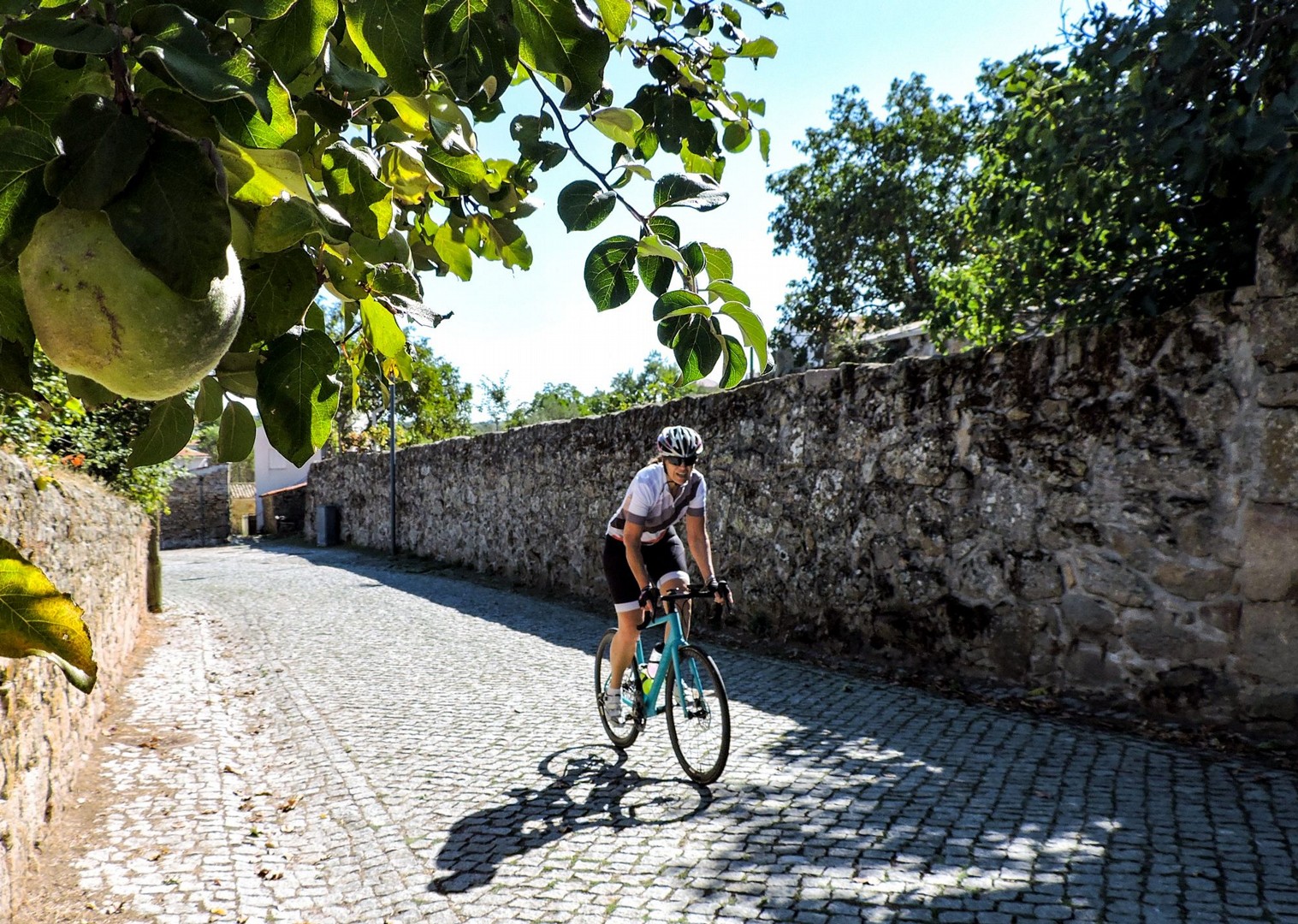
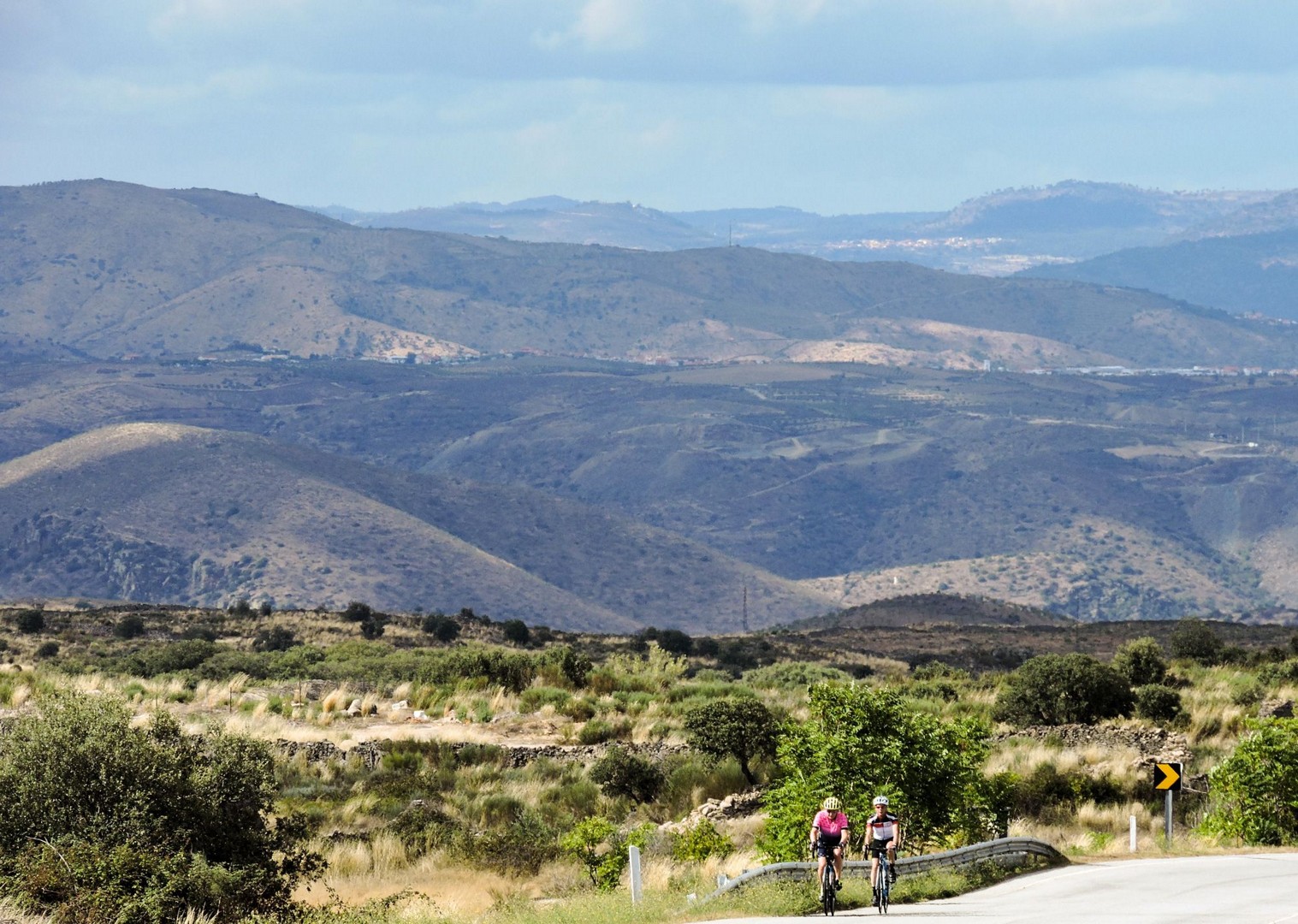
Midway through our tour, we leave the river and rise up onto the high plateau that sits between the Douro Valley and the mountains, where we spend a few days visiting numerous charming, historic villages and staying close to the Spanish border.
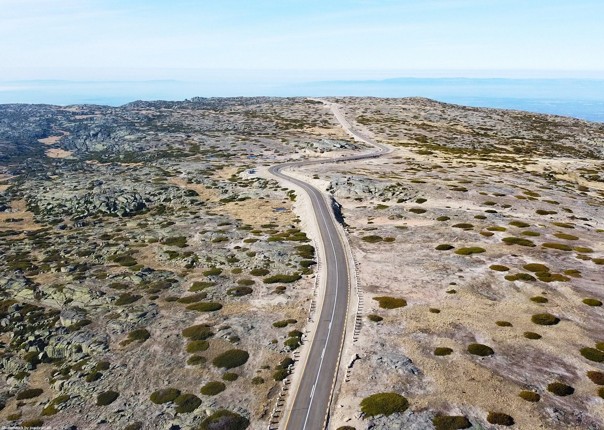
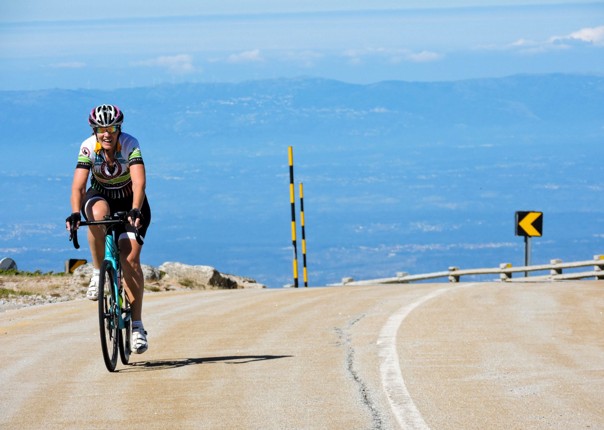
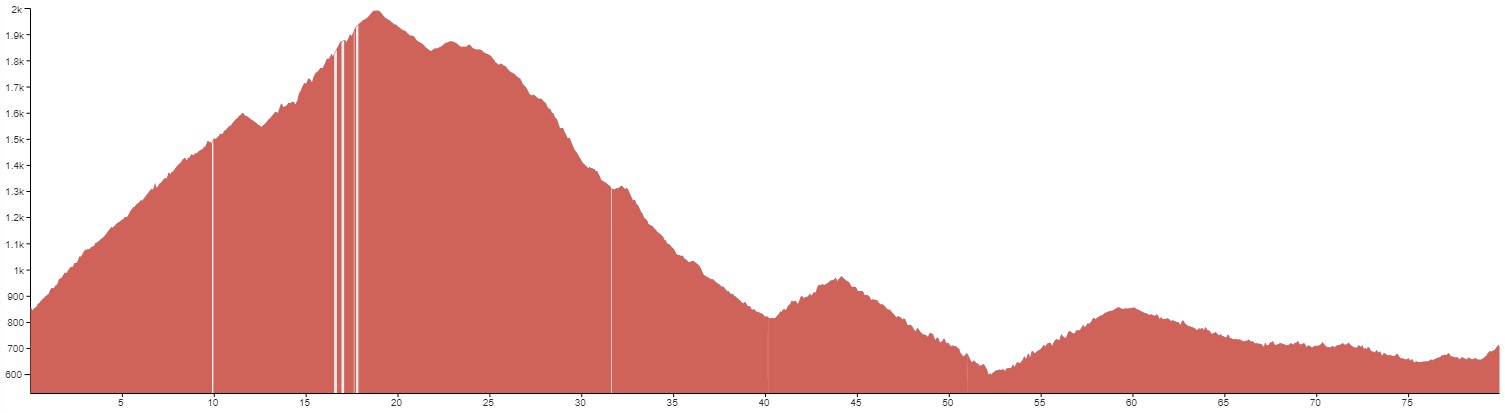
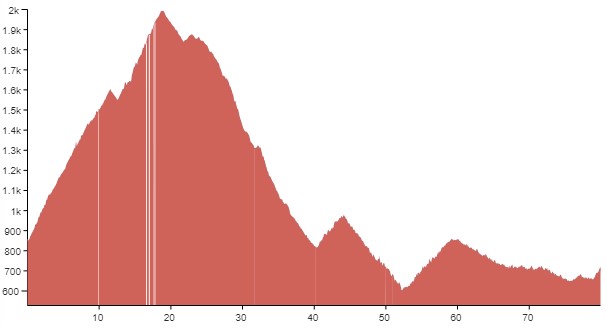
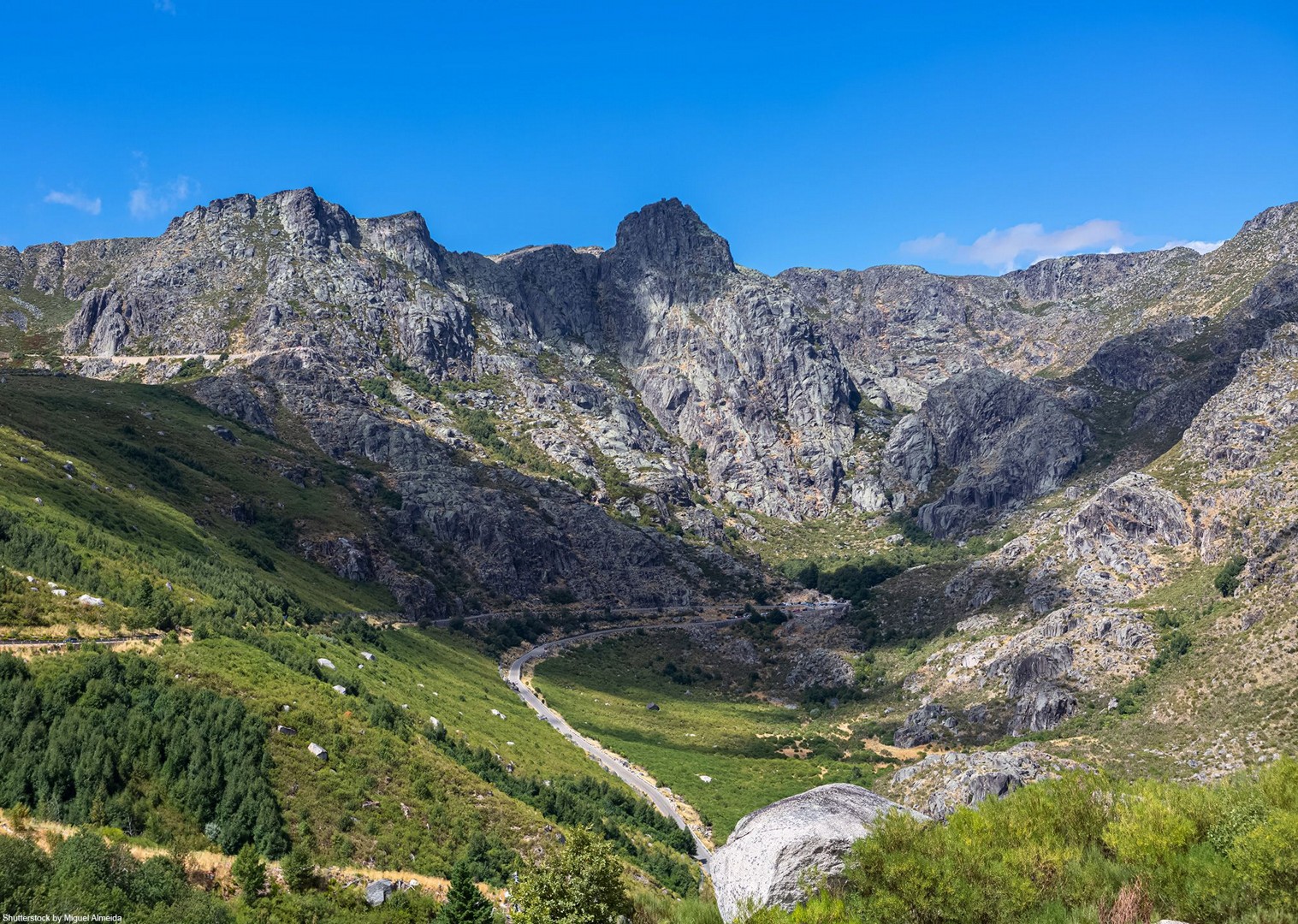
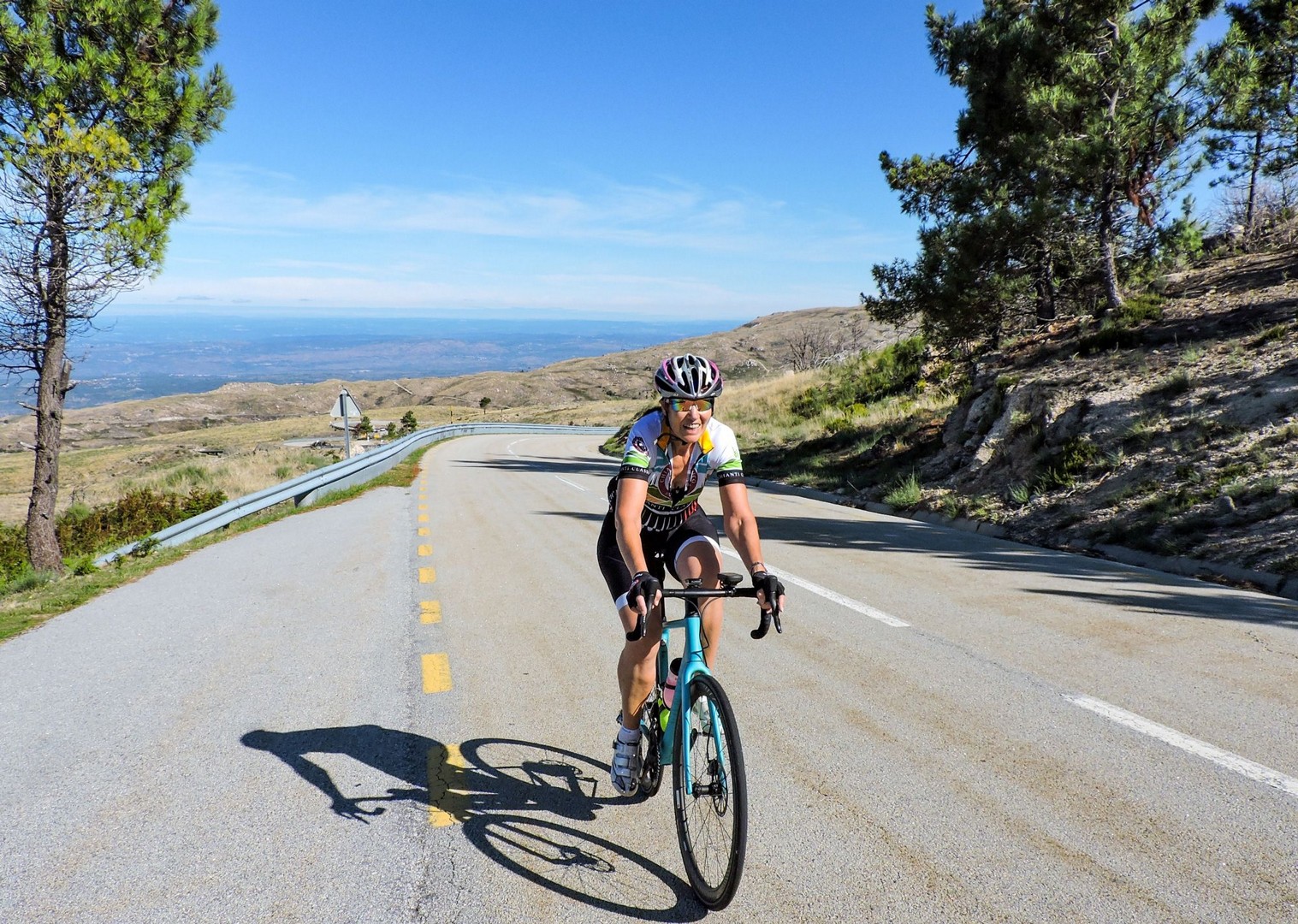
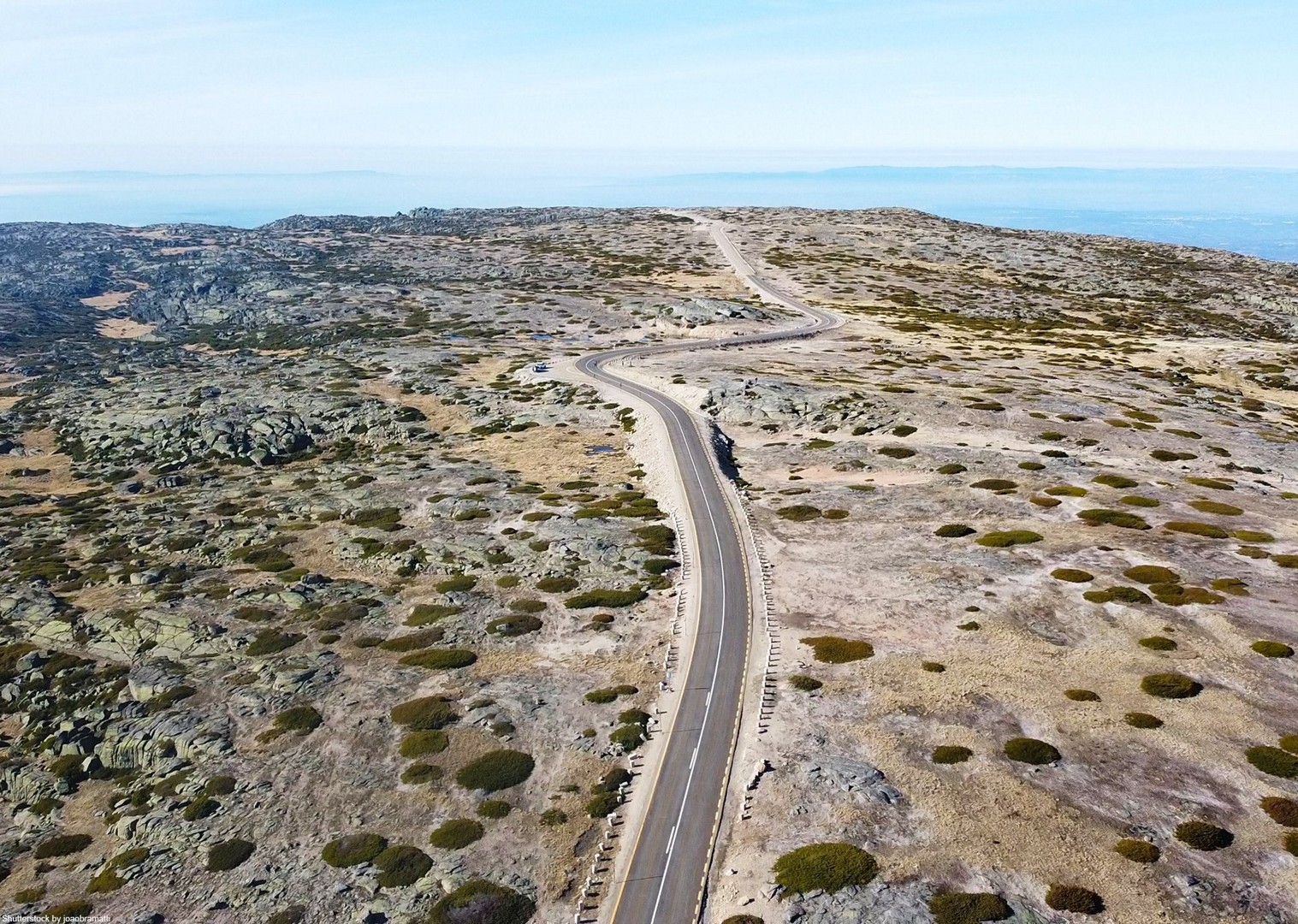
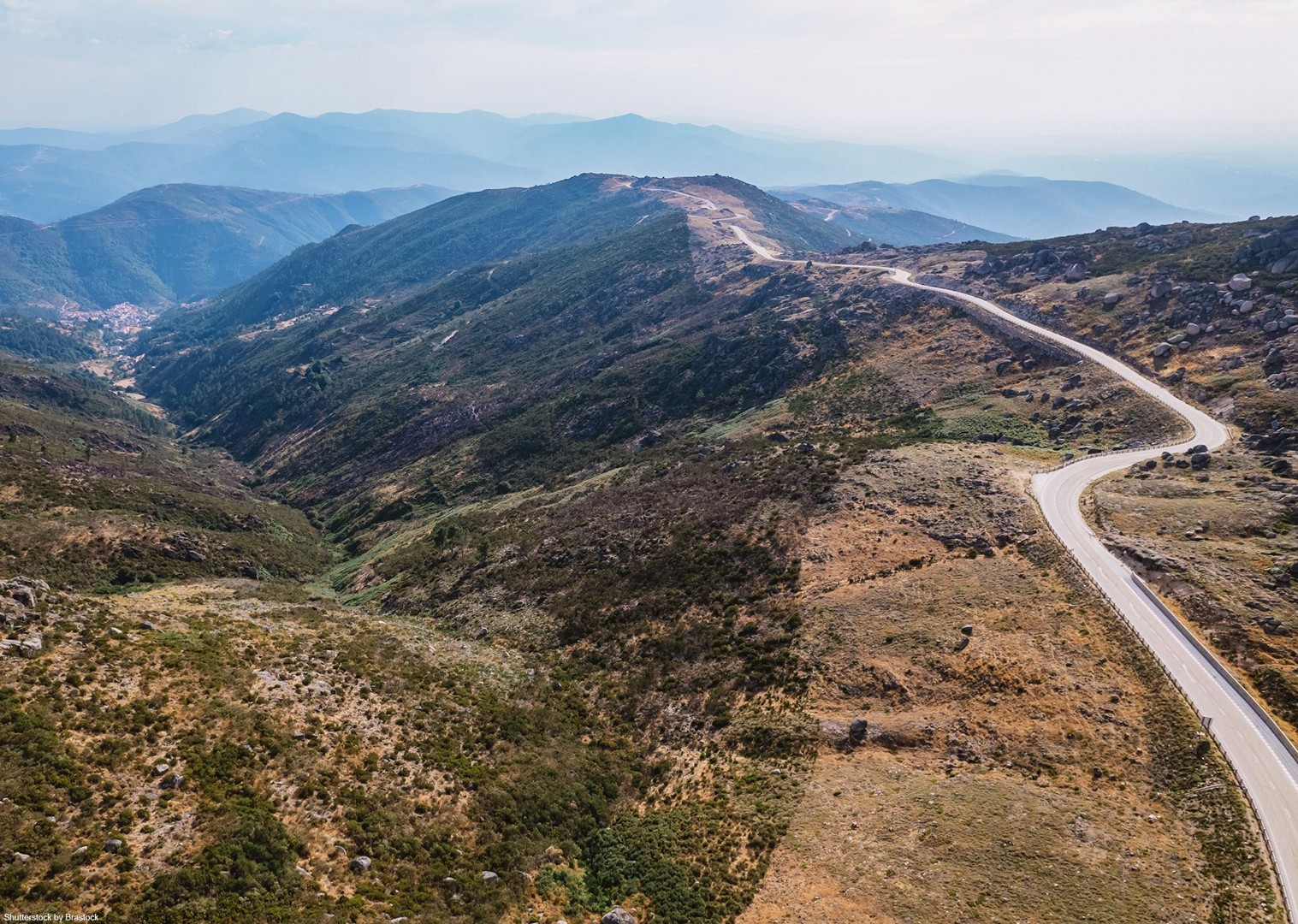
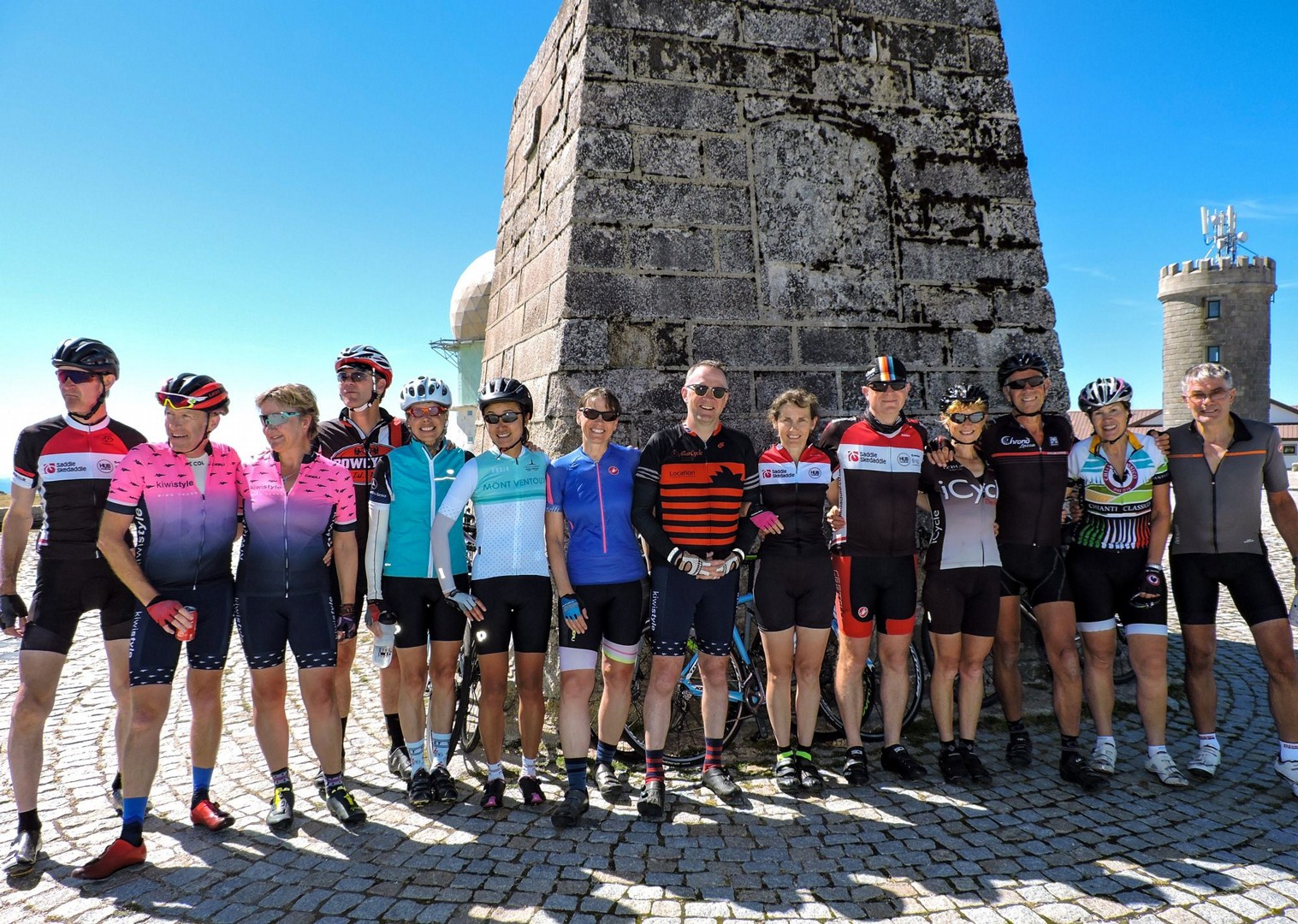
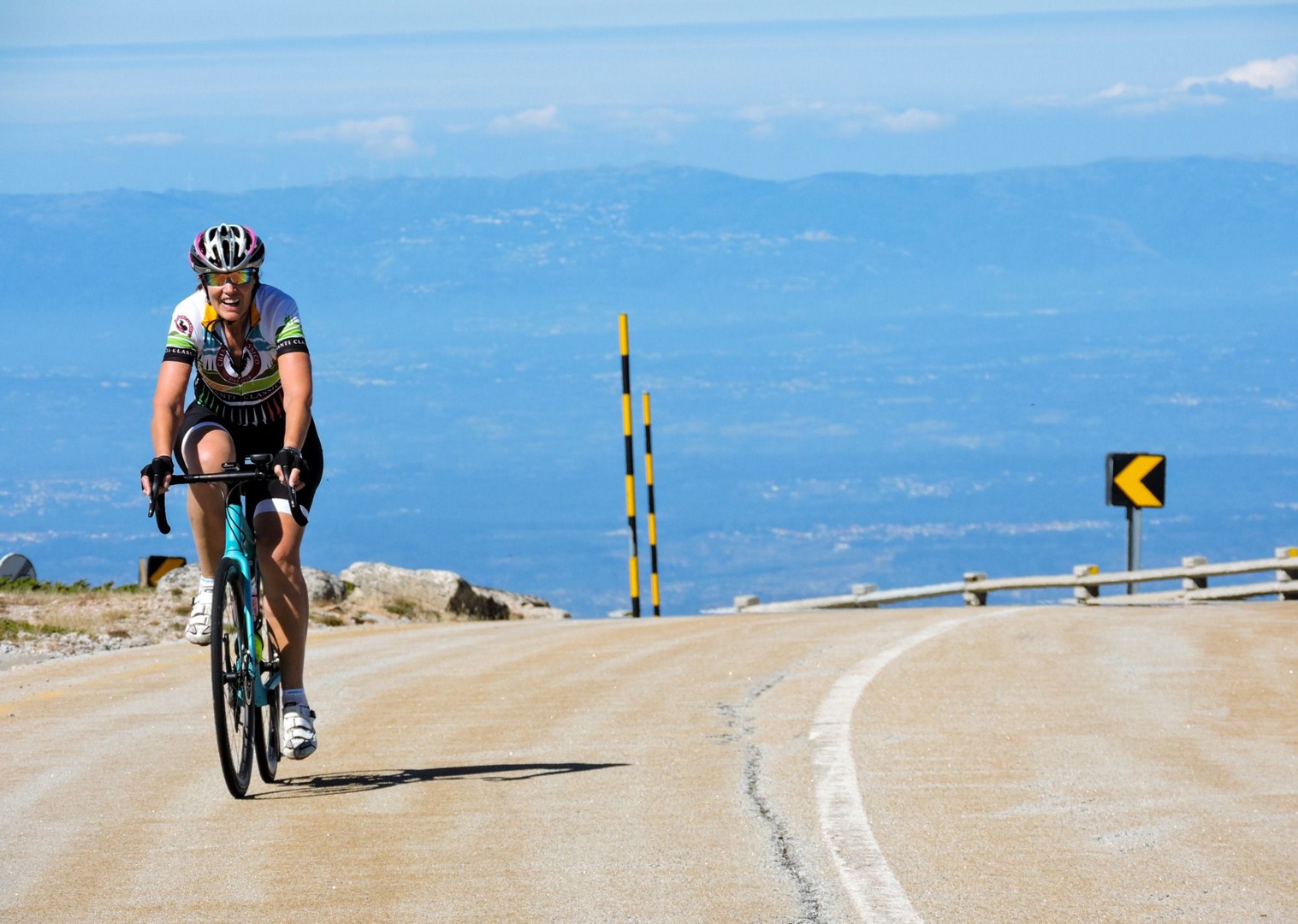
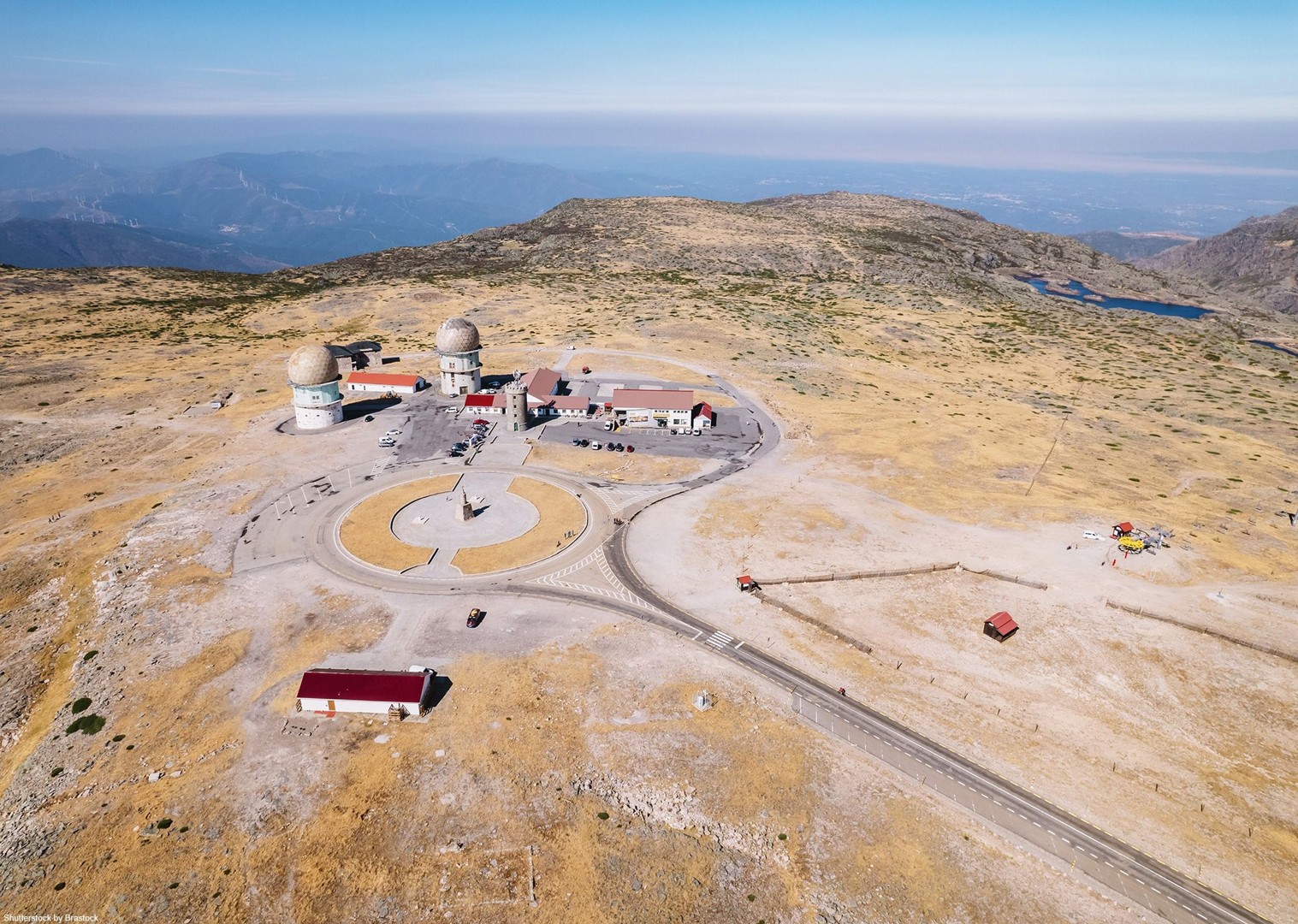
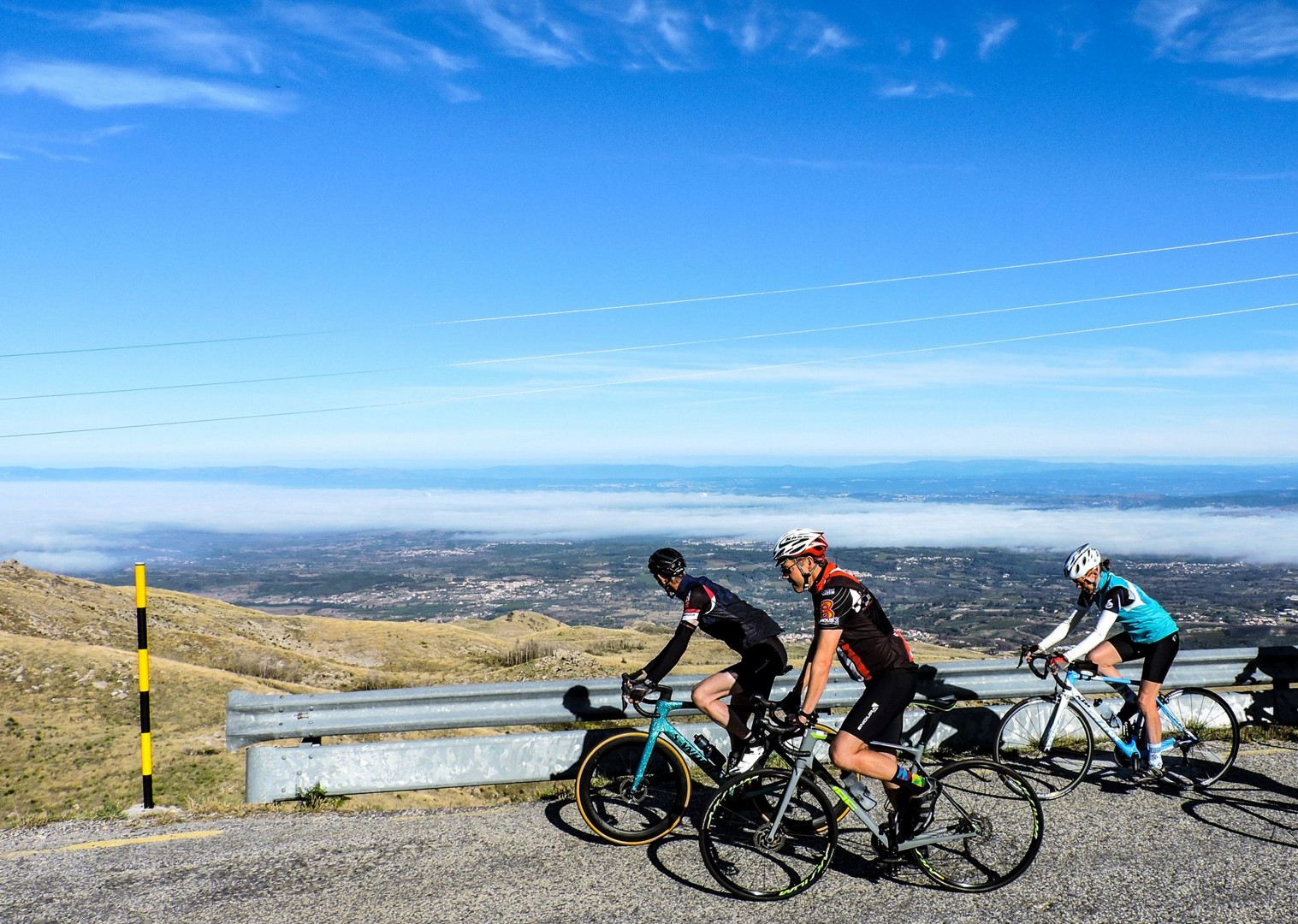
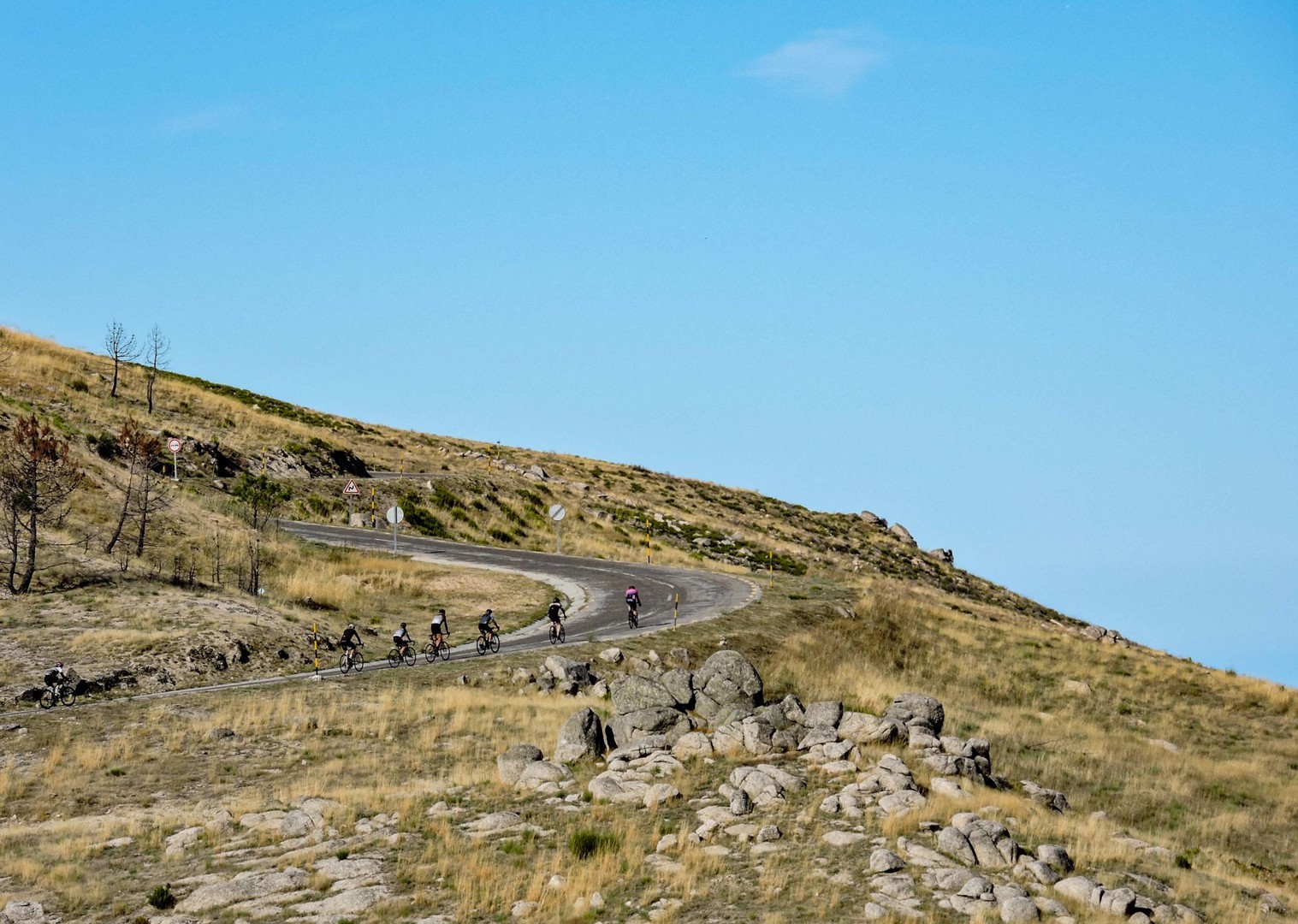
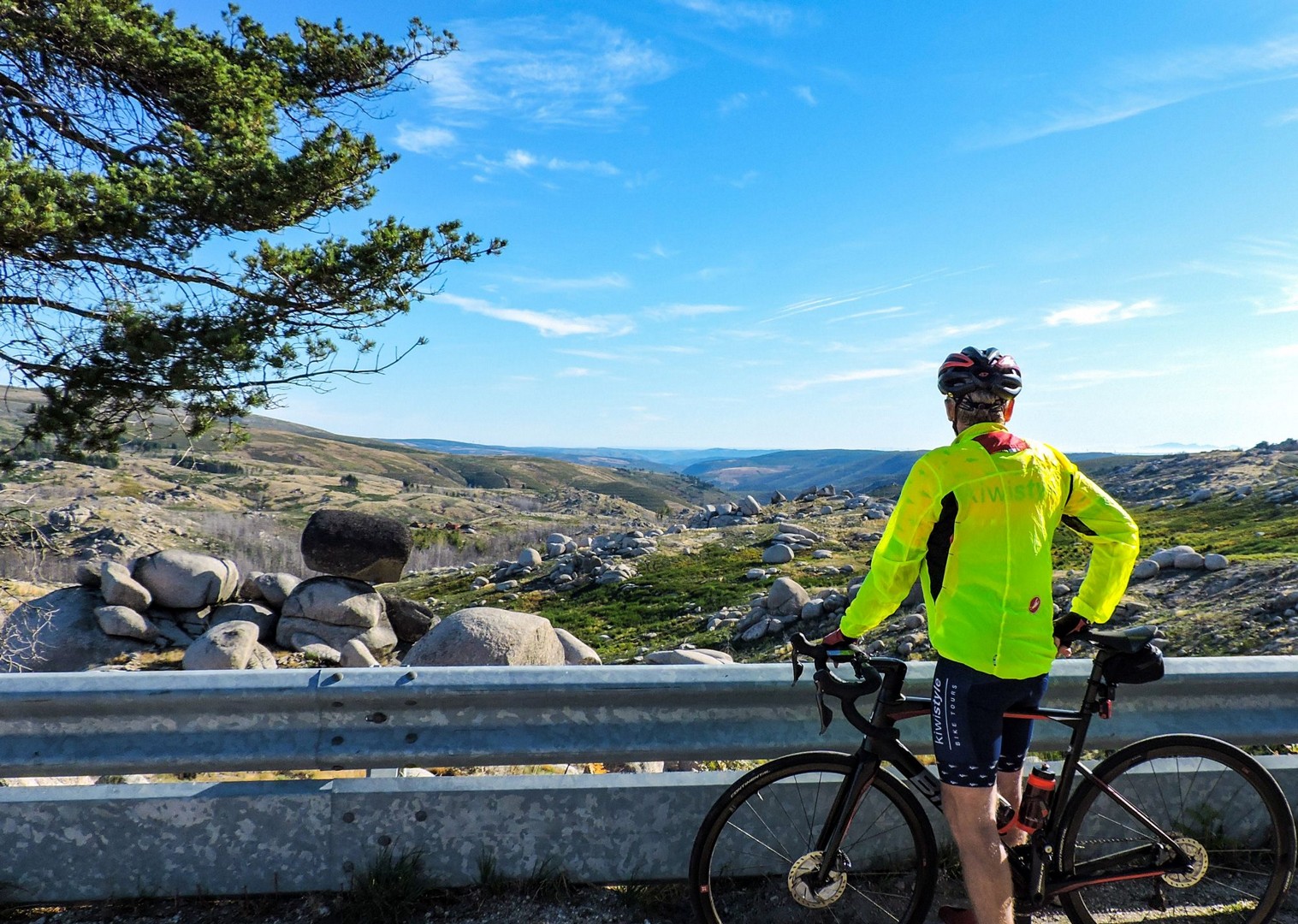
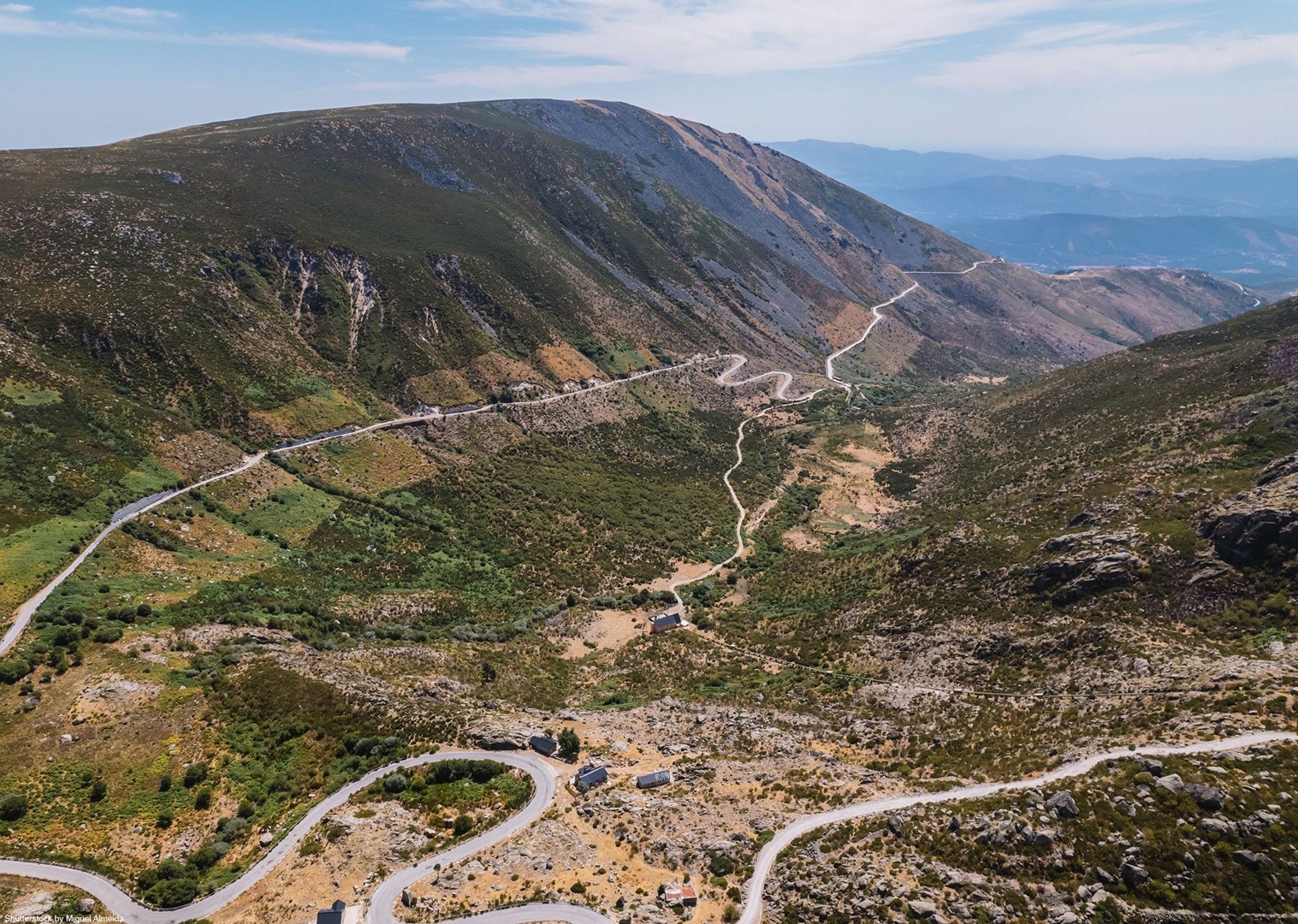
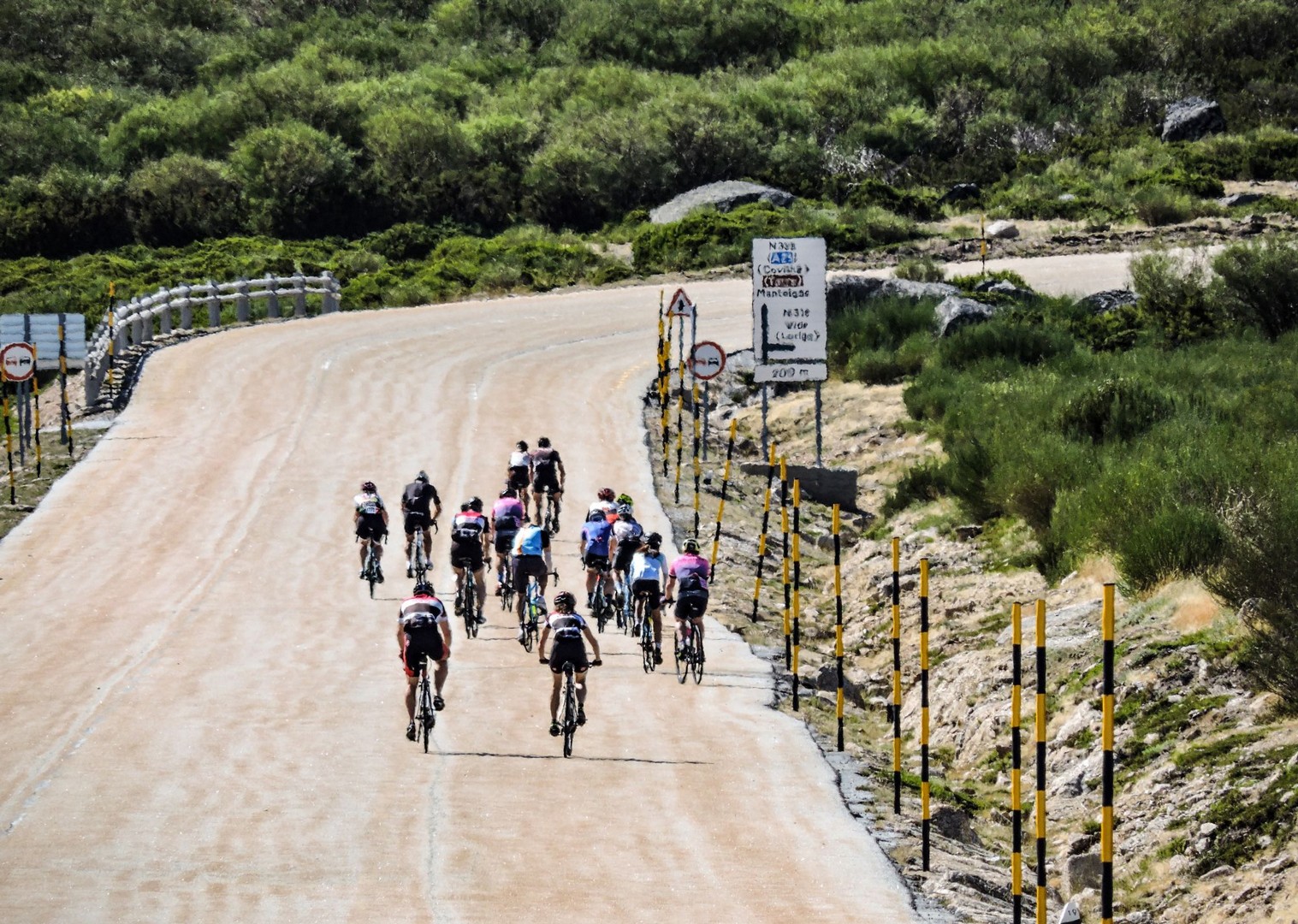
Finally we reach the Serra da Estrela Natural Park, an area of outstanding natural beauty and home to Torre Mountain which, at 1993m above sea-level, is the highest point on mainland Portugal and the setting of the most challenging stage of our tour. It’s a fitting way to end this magnificent route, which, despite not boasting the famous Grand Tour “big name” climbs of France, Italy and Spain, never disappoints.